
Poker is one of the most skill-based casino games, giaimanhacai combining strategy, psychology, and probability. Unlike pure chance games, poker rewards players who make smart decisions, observe opponents, and manage risk effectively. On giaimanhacai, beginners can learn poker in a structured way and gradually improve their skills through practice and experience.
Success in poker does not depend on luck alone. It depends on patience, discipline, and understanding how the game works at each stage.
Basic Rules of Poker
Poker is played using a standard 52-card deck, and the main goal is to form the best possible hand or force opponents to fold.
Core rules:
- Each player receives private cards
- Community cards are placed on the table (in most versions like Texas Hold’em)
- Players create the best five-card combination
- Betting rounds occur between card distributions
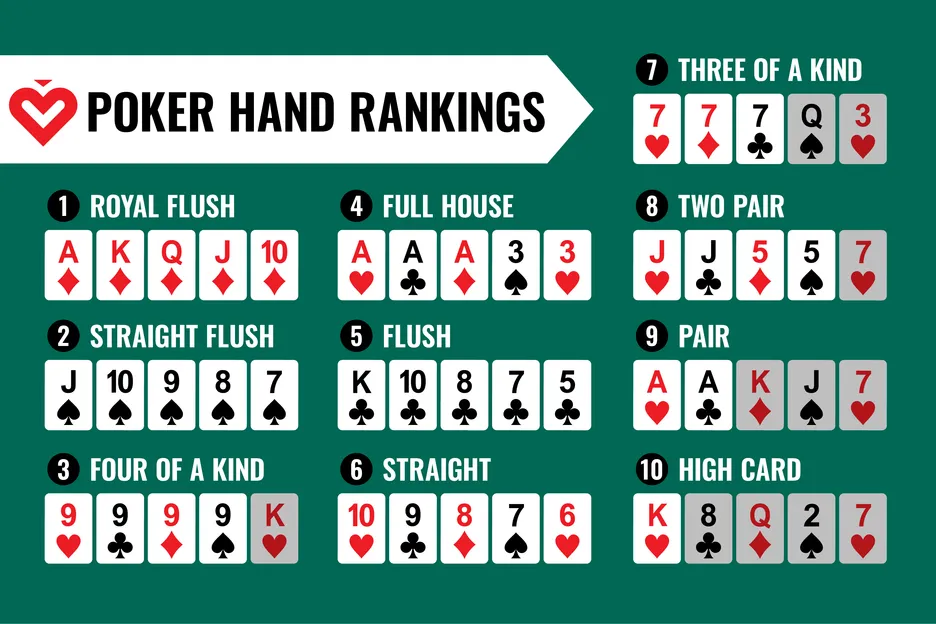
Hand rankings:
- Royal Flush
- Straight Flush
- Four of a Kind
- Full House
- Flush
- Straight
- Three of a Kind
- Two Pair
- One Pair
- High Card
On giaimanhacai, Texas Hold’em is one of the most commonly available poker formats.
Understanding Betting Rounds
Poker is divided into different stages, and nhà cái uy tín each stage requires different decisions.
Main stages:
- Pre-flop: after receiving initial cards
- Flop: first three community cards revealed
- Turn: fourth card revealed
- River: final card revealed
Player actions:
- Fold: exit the round
- Call: match current bet
- Raise: increase bet
On giaimanhacai, understanding these stages is essential for smart gameplay.
Starting Hand Strategy
One of the most important skills in poker is knowing which hands to play and which to avoid.
Strong starting hands:
- High pairs (A-A, K-K, Q-Q)
- High suited connectors (A-K, K-Q)
- Medium pairs (10-10, 9-9)
Weak hands:
- Low unrelated cards
- Off-suit weak combinations
- Random disconnected hands
Players on giaimanhacai who follow starting hand discipline avoid unnecessary losses.
Importance of Position in Poker
Position refers to where a player sits in relation to the dealer, and it greatly affects strategy.
Types of positions:
- Early position: higher risk, less information
- Middle position: balanced strategy
- Late position: best advantage
Benefits of late position:
- More information from opponents
- Better control over betting
- Stronger bluffing opportunities
On giaimanhacai, position awareness improves decision-making.
Bluffing Strategy in Poker
Bluffing is an important part of poker, but it must be used carefully and at the right time.
Effective bluffing tips:
- Bluff when opponents show weakness
- Avoid over-bluffing
- Use position advantage
- Keep betting patterns consistent
On giaimanhacai, successful bluffing depends more on timing than frequency.
Bankroll Management in Poker
Proper money management is essential for long-term poker success.
Key rules:
- Never risk large portions of bankroll in one hand
- Set session limits
- Avoid emotional betting
- Focus on long-term consistency
On giaimanhacai, bankroll discipline ensures stability in gameplay.
Common Beginner Mistakes
Many new players lose due to avoidable mistakes.
Mistakes include:
- Playing too many hands
- Ignoring position strategy
- Bluffing too often
- Emotional decision-making
- Chasing losses
On giaimanhacai, avoiding these errors improves long-term results.
Final Thoughts
Poker is a deep and strategic game that rewards patience, observation, and logical thinking. While luck plays a role in the short term, skill becomes more important over time. Platforms like giaimanhacai provide a strong environment for beginners to learn poker basics, practice strategies, and build confidence step by step.
