
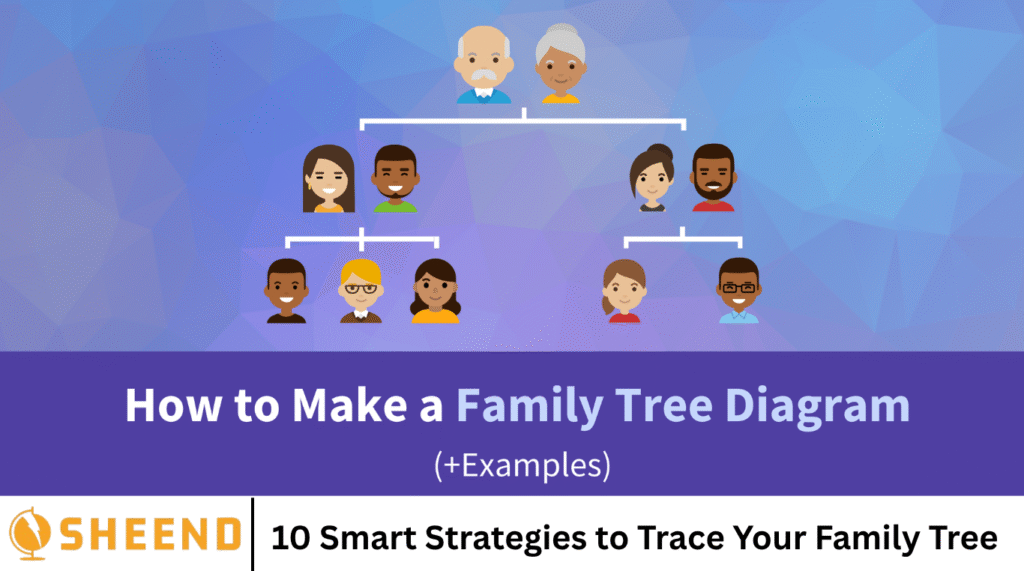
Discovering your ancestry is more than just a hobby—it’s a journey into the lives, struggles, and triumphs of those who came before you. Whether you’re curious about your roots or trying to preserve your family history for future generations, tracing your family tree can be an enlightening and deeply rewarding process.
In this comprehensive guide, we’ll walk you through 10 smart strategies to trace your family tree, complete with tips, tools, and best practices. At the end, you’ll also find 7 frequently asked questions (FAQs) to help with common challenges.
Why Trace Your Family Tree?
Understanding your genealogy connects you with your past. It can:
- Reveal surprising cultural or ethnic backgrounds
- Provide insights into inherited traits and health issues
- Preserve legacy stories for future generations
- Give context to personal and family identity
Now, let’s dive into the most effective strategies to uncover your ancestry.
Start With What You Know
Begin with yourself. Document your full name, birth date, birthplace, and key life events. Then, record the same for your parents, grandparents, and so on.
Use this information to build a basic family tree. Even if you don’t know everything, partial data is a strong foundation.
Tips:
- Ask family members for full names (including maiden names).
- Note down middle names, nicknames, and name spellings.
- Keep track of dates and locations for major life events (birth, marriage, death).
Interview Family Members
Talking to relatives is one of the most valuable and often overlooked resources. Your elders may remember stories, names, or details that no document can provide.
Sample Questions to Ask:
- Where were you born?
- What were your parents’ full names?
- Do you remember any stories about our ancestors?
- Did anyone serve in the military or immigrate from another country?
Pro Tips:
- Record the conversation (with permission).
- Prepare questions ahead of time.
- Scan and preserve any documents or photos they’re willing to share.
Organize Your Findings in a Family Tree
Once you’ve gathered initial information, map it out. You can do this on paper or use genealogy software and websites.
Popular Tools:
- Ancestry.com: Extensive database and tree builder
- MyHeritage: Easy-to-use platform with global reach
- FamilySearch.org: Free and supported by the LDS Church
These tools often help you connect with other people who share your ancestors, providing even more clues.
Search Census Records
Census records are treasure troves of data. They typically include names, ages, occupations, birthplaces, and relationships within households.
In the U.S., censuses are released 72 years after they are taken. The most recent publicly available is from 1950.
Where to Search:
- National Archives (NARA)
- Ancestry.com
- FamilySearch.org
Tip: Pay attention to neighbors listed in the census—they’re sometimes extended family!
Dive Into Vital Records
Vital records include birth, marriage, and death certificates. These documents can verify identities and introduce new names or generations.
How They Help:
- Birth certificates list parents
- Marriage records provide maiden names and spouses
- Death records may include place of burial and informant names
Request records from local governments, churches, or online archives.
Explore Immigration and Naturalization Records
If your ancestors came from abroad, ship manifests, passports, and naturalization papers are invaluable.
These documents can reveal:
- Country of origin
- Port of entry
- Dates of arrival
- Occupation
- Family members traveling together
Helpful Resources:
- Ellis Island Records
- Castle Garden Records (for arrivals before Ellis Island)
- National Archives
Be aware of name variations—names were often changed or misspelled at ports.
Look Into Military Records
Military records offer a glimpse into your ancestor’s service and life details. Draft registrations, pension applications, and enlistment records are common.
What You Can Learn:
- Full name and birthdate
- Physical characteristics
- Next of kin
- Location of enlistment and service
Where to Search:
- Fold3.com (specializes in military records)
- National Personnel Records Center
- Local veteran affairs offices
Search Church and Cemetery Records
Religious institutions often maintained records of baptisms, marriages, and burials long before governments did. Gravestones can also reveal birth/death dates, family connections, and religious affiliations.
How to Start:
- Visit church archives or diocesan offices
- Search cemetery databases like FindAGrave or BillionGraves
- Walk cemeteries with known family plots
Pro Tip: Gravestones may list multiple family members or provide maiden names.
Take a DNA Test
DNA testing has revolutionized genealogy. It can connect you with living relatives, verify biological relationships, and identify ethnic roots.
Popular DNA Testing Services:
- AncestryDNA
- 23andMe
- MyHeritage DNA
- FamilyTreeDNA
Keep in mind that results can sometimes raise unexpected questions about family connections—be emotionally prepared.
Join Genealogy Communities and Forums
You’re not alone! Online forums and local genealogy societies can help break through “brick walls” in your research.
Join Communities Like:
- Reddit’s r/Genealogy
- Facebook genealogy groups
- GenealogyWise.com
- Local historical or genealogical societies
Experienced researchers often share tips, decipher old handwriting, or even help translate foreign records.
Bonus Tips for Successful Research
- Be patient: Genealogy takes time and persistence.
- Cross-reference everything: Always verify details from multiple sources.
- Stay organized: Use folders, spreadsheets, or genealogy software.
- Be open-minded: Spelling, dates, and even family lore can be inaccurate.
- Respect privacy: Be sensitive to what others are comfortable sharing.
Frequently Asked Questions
How do I start if I don’t know much about my family?
Begin with yourself and your parents. Interview living relatives and record whatever you can. Even small details can lead to breakthroughs.
What is the best free genealogy website?
FamilySearch.org is widely considered the best free resource. It offers census records, family trees, and church records.
Are DNA tests accurate for genealogy?
Yes, DNA tests are generally accurate for identifying biological relatives and ethnicity estimates, though interpretations vary slightly between companies.
How do I find records in another country?
Start with online databases like Ancestry or FamilySearch. Contact foreign archives or hire a local genealogist if needed.
What if I hit a brick wall in my research?
Try different spellings, search surrounding families or neighbors, or consult online forums. Sometimes, revisiting documents with fresh eyes helps.
Can I build a family tree without using paid services?
Absolutely. Use free tools like FamilySearch, paper charts, or open-source software like Gramps. Libraries often provide free access to premium services too.
Is it possible to trace ancestry back hundreds of years?
Yes—but it depends on records availability, region, and family status. Noble families are often easier to trace, but with effort, many people reach 1600s or earlier.
Conclusion
Tracing your family tree is both an adventure and a legacy. It deepens your understanding of where you came from and can even reshape how you see yourself today. By following these 10 smart strategies—and staying curious—you’ll be well on your way to uncovering stories that have waited generations to be told.Whether you’re building a tree for fun, family, or legacy, remember: Every ancestor has a story. It’s up to you to find it.