
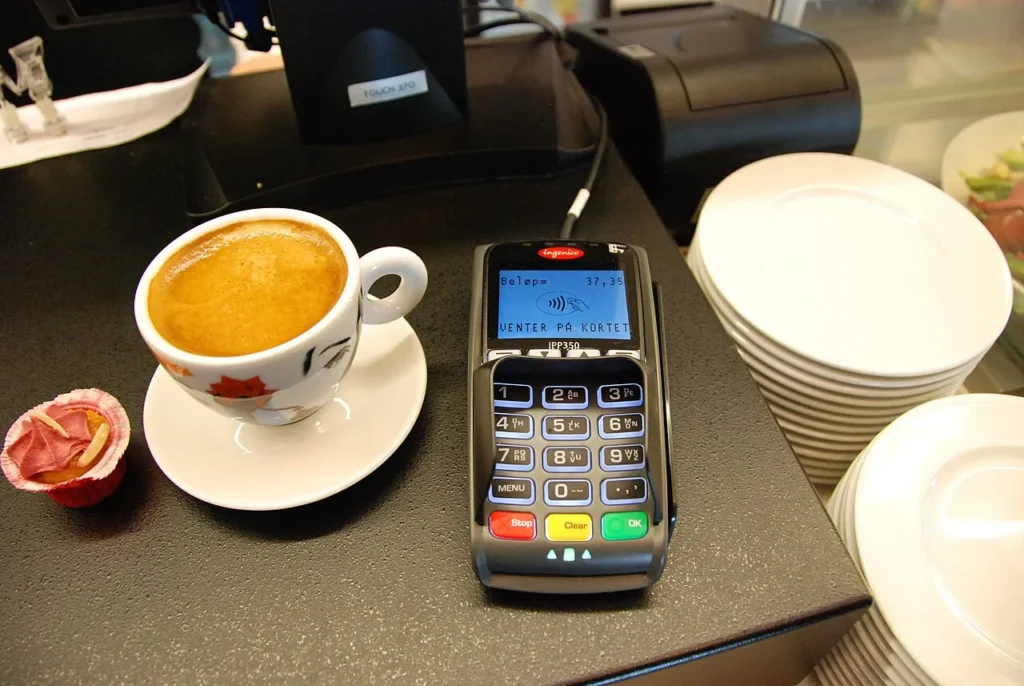
The super-app — one icon that handles your ride, your lunch, your bills and your money — was supposed to be an Asian invention that stayed in Asia’s largest markets. Central Asia is now building its own versions, and the foundation is not advertising or social media. It is payments: the unglamorous, essential rails that move money between neighbours, shops and family members every hour of the day.
The catalyst was partly geopolitical. Strikes on Yandex infrastructure in Russia disrupted services across Kazakhstan, Uzbekistan and Kyrgyzstan, and the lesson absorbed by users and founders alike was that whoever controls the payment layer controls the relationship with the customer.
Payments are the foundation, not a feature
Every super-app story begins with a transaction people repeat. In Central Asia that transaction is the instant transfer: splitting a restaurant bill, paying a tutor, sending money to family in another city. Apps that won this habit discovered they could attach anything to it — commerce, transport, public services — because the user’s money and identity were already verified and present.
Public rails made the race fairer. Instant-payment systems and shared QR standards, promoted by the region’s central banks, mean a startup does not need to build a national network alone. It needs a product people prefer, which is a contest local teams, designing in local languages for local habits, are well placed to win.
What a Central Asian super-app looks like
Open a leading app in Almaty or Tashkent today and the home screen is a small city: transfers and bill payment at the top, then transport, food, groceries, government fees, and increasingly savings and micro-investment products. Remittances from workers abroad arrive into the same balance, which is then spent without ever becoming cash.
Analysis in The Diplomat frames this as infrastructure with strategic weight, and governments agree — several now encourage public services to plug into domestic platforms. For users, the calculation is simpler: one login, one balance, no queue.
The risks inside the convenience
Concentration has a price. When one app holds a customer’s money, messages and shopping, an outage — or an account error — touches everything at once. Competition regulators in the region are beginning to ask the questions their counterparts asked in larger markets: about exclusivity for merchants, data use, and fees once dominance is established.
There is also the question of who gets left out. Super-apps presume smartphones, connectivity and digital confidence. Cash remains essential for many, and the healthiest markets are likely to keep both systems running in parallel for years.
Why this story travels
For readers far from the region, Central Asia’s super-app moment is a case study in how digital markets actually form: not from a single invention, but from a disruption, a public rail, and local founders close enough to their customers to notice what a distant giant missed.
The cultural footprint of these platforms deserves a note as well. A super-app is not merely a bundle of services; for many users it is the effective front door of the internet, the place where news, commerce, government and family money all arrive through one icon. That gives its design choices an outsized influence — which services are promoted, which languages are served first, which merchants are visible — and it explains why governments in the region increasingly treat these companies as institutions to be governed, not just startups to be celebrated. For the companies, the next phase will test whether they can carry that institutional weight: publishing reliability statistics, submitting to audits, protecting user data against both criminals and overreach. The ones that mature into that role will be difficult to displace, because they will have become part of how their countries function. The super-app race, in other words, ends not with a winner’s podium but with something more durable: a utility.
Browse more stories on our homepage and in the Blog section. The region’s apps may never be household names abroad — but for the millions who open them every morning, they have already become something more important: ordinary.
