
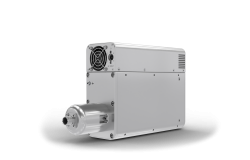
High-voltage power generation plays a key role in modern imaging systems used in healthcare, industrial inspection, security screening, and scientific research. Reliable power delivery helps imaging equipment produce consistent results while supporting operational efficiency and system performance.
As imaging requirements become more specialized, manufacturers increasingly focus on precision engineering, compact designs, and dependable components. Choosing suitable high-voltage X-ray source manufacturers is an important consideration for original equipment manufacturers (OEMs) developing advanced imaging technologies. The right power-generation technology can improve integration, reliability, and flexibility across different applications.
Modern Engineering Advancing High-Voltage Imaging Systems
High-voltage technology continues to evolve through improved power regulation, compact engineering, and integration-friendly designs that support modern imaging requirements.
1. Maintaining Stable Voltage Output
Stable voltage is essential for consistent X-ray output across imaging applications. Fluctuations can affect image quality, measurement accuracy, and system performance. Modern generators use electronic controls and feedback mechanisms to regulate output under changing conditions. Reliable voltage control supports repeatable results in medical diagnostics, industrial inspection, and analytical equipment while helping manufacturers develop dependable imaging systems.
2. Improving Compact System Design
Compact components let engineers build smaller imaging machines without sacrificing essential functionality. Space-saving high-voltage generators can simplify installation and support portable or specialized inspection systems. This flexibility benefits mobile security equipment and compact medical devices. Careful component selection helps manufacturers optimize space, simplify servicing, and build equipment that meets specific power requirements while maintaining practical layouts.
3. Supporting Efficient Thermal Management
High-voltage equipment generates heat during operation, making thermal management essential for reliable performance. Appropriate cooling mechanisms help protect sensitive electronic components from excessive temperatures and maintain stable operation. Engineers should evaluate cooling requirements alongside output power, installation conditions, and expected usage. Effective heat dissipation supports demanding applications and helps manufacturers design imaging systems that remain dependable throughout their intended operating cycles.
4. Simplifying Integration With Imaging Equipment
Integration-friendly components help manufacturers connect generators with X-ray tubes, control electronics, and other system elements. Compatible interfaces, flexible mounting options, and suitable configurations can reduce development complexity. These features allow engineering teams to focus on overall equipment performance rather than component compatibility issues. Careful integration planning also supports maintenance, future upgrades, and efficient product development across different imaging applications.
5. Improving Customization Across Applications
Different imaging applications require specific voltage ranges, output power levels, and operating configurations. Customizable components help engineers match these requirements to their intended use. Electronics inspection may prioritize image detail, while industrial non-destructive testing may require greater penetration. Security screening has different operational demands. Evaluating application requirements helps manufacturers balance performance, reliability, equipment size, and cost effectively.
Choosing Reliable Components For Advanced Imaging Systems
Selecting suitable power-generation technology requires careful evaluation of technical specifications, system compatibility, reliability, and application requirements.
When comparing high-voltage X-ray source manufacturers, OEMs should consider more than maximum voltage or output power. Consistency, thermal performance, available interfaces, customization options, and technical support can influence the success of a complete imaging system. Manufacturers should also examine operating conditions, expected duty cycles, maintenance requirements, and the physical space available for installation. Reviewing these factors early in the design process helps engineering teams make informed decisions, reduce integration challenges, and select components that align with both immediate performance needs and future product development plans.
Expanding Applications Through Advanced X-Ray Technology
High-voltage power systems support diverse imaging applications across industries with different inspection requirements and performance objectives.
1. Medical Imaging And Diagnostics
Medical imaging equipment depends on controlled X-ray generation to capture useful diagnostic information. Stable output supports consistent image acquisition in applications such as radiography and dental imaging. Compact systems can also address equipment space constraints. Component selection must consider clinical requirements, system design, and applicable safety standards. Careful engineering helps manufacturers develop dependable equipment suited to specific diagnostic needs.
2. Industrial Inspection And Non-Destructive Testing
Industrial inspection systems use X-rays to examine internal structures without damaging the objects being evaluated. Applications include inspecting manufactured components, measuring material thickness, and identifying hidden defects. Generator selection depends on material properties, inspection speed, penetration requirements, and image resolution. Reliable power delivery supports repeatable results, helping manufacturers assess product quality and detect potential defects during production.
3. Security Screening And Electronics Analysis
Security screening systems use X-rays to examine baggage, parcels, and other objects for concealed items. Electronics manufacturers also use X-ray inspection to evaluate component placement and examine solder joints. These applications require equipment suited to specific imaging tasks and operating conditions. Stable output, appropriate power levels, and integration flexibility help developers balance image quality, inspection speed, and operational reliability.
4. Supporting Research And Laboratory Applications
Research laboratories use X-ray systems to investigate material structures, examine samples, and support specialized analytical procedures. Reliable high-voltage generation helps maintain consistent operating conditions during testing. Engineers must consider the required energy range, measurement precision, and equipment compatibility when selecting components. Matching generator capabilities to research objectives helps laboratories establish suitable imaging configurations and support repeatable experimental results.
5. Advancing Material Analysis And Quality Control
Material analysis applications use X-ray technology to examine internal characteristics, identify inconsistencies, and evaluate product quality. Manufacturers can inspect complex assemblies without cutting or damaging samples. Appropriate generator selection depends on material density, component dimensions, image detail, and inspection requirements. Reliable equipment supports repeatable assessments, helping quality teams identify manufacturing issues and improve confidence in product evaluation processes.
Conclusion: Advancing Imaging With Reliable Power Technology
Innovations in high-voltage power generation are helping equipment manufacturers develop imaging systems with greater stability, flexibility, and integration efficiency. From medical diagnostics to industrial inspection, security screening, and electronics analysis, reliable power components remain central to consistent imaging performance. Careful attention to voltage requirements, thermal management, customization, and compatibility helps OEMs create systems suited to demanding applications.
For organizations seeking a dependable high-voltage generator solution, VJ X-Ray offers high-voltage generators and integrated X-ray sources designed for varied imaging and inspection requirements. Their product range includes customizable options, compact configurations, and integration-focused designs for OEM applications. By combining engineering expertise with application-specific solutions, VJ X-Ray supports manufacturers developing reliable imaging systems for evolving technical needs.
