
Run your hand along this season’s rails and something has changed: the slippery sheen of polyester has company. Linen suits, wool knits with nothing blended in, cotton poplin, hemp denim — natural fibres are reclaiming shelf space they lost over three decades of synthetic dominance. The shift is visible from high-street windows to luxury houses marketing single-fibre purity as a feature worth paying for.
Part of the driver is the body. Anyone who has worn a plastic-bagged polyester top through a summer knows the experience: it does not breathe, it holds odour, it feels like wearing the packaging. Natural fibres manage moisture and temperature the way skin prefers, and a generation raised in athleisure synthetics is discovering the difference with converts’ zeal. Reporting on sheend.com has followed the fibre mix of bestselling lines tilting steadily back toward nature.
Microplastics moved the argument
The environmental case turned when microplastics entered it. Every wash of synthetic clothing sheds microscopic fibres that wastewater treatment cannot fully capture; the particles are now found from Arctic ice to table salt. Natural fibres shed too, but they biodegrade. Industry data tracked by organisations such as Textile Exchange show brands setting explicit recycled and preferred-fibre targets, while regulators edge toward labelling and extended-producer-responsibility rules that price synthetics’ externalities in.
Honesty requires the counterweight: conventional cotton is thirsty and pesticide-hungry, wool carries a methane debate, and ‘natural’ is not a synonym for blameless. The credible version of the trend is specific — organic, recycled or certified fibres, traced supply chains — not a halo word on a label.
Luxury redefined as material
Care culture is following the fibre shift. Natural-fabric garments reward — and demand — different handling: wool that rests between wears and rarely needs washing, linen that wants no tumble dryer, garments mended rather than replaced. Retailers report repair services and care products growing alongside the fabrics themselves, a small economy of longevity that synthetics, priced for disposability, never inspired.
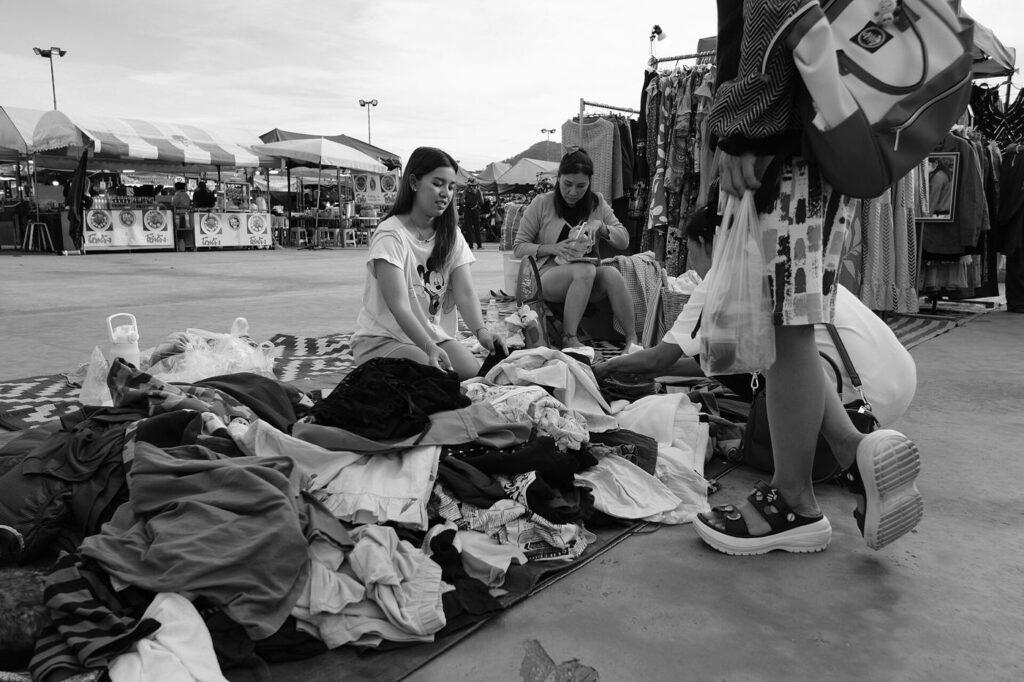
The generational taste underneath may be the trend’s engine. Thrifted, vintage and deadstock clothing taught young shoppers to value fibre content viscerally — a 1980s wool coat still outperforming last year’s blend. Once you have worn the good stuff, the label-reading habit forms, and it does not unform. Fashion’s synthetic decades may come to look like a detour: cheap, shiny, and remembered by the landfill more than by anyone’s wardrobe.
The most telling shift is at the top. Where luxury once meant logo, it increasingly means material literacy: the micron count of a wool, the long-staple cotton, the linen that softens for a decade. Consumers are learning to read a composition label the way they learned to read a food label. Fashion spent thirty years teaching them not to care what clothes are made of. It is now, fibre by fibre, teaching them to care again.
