
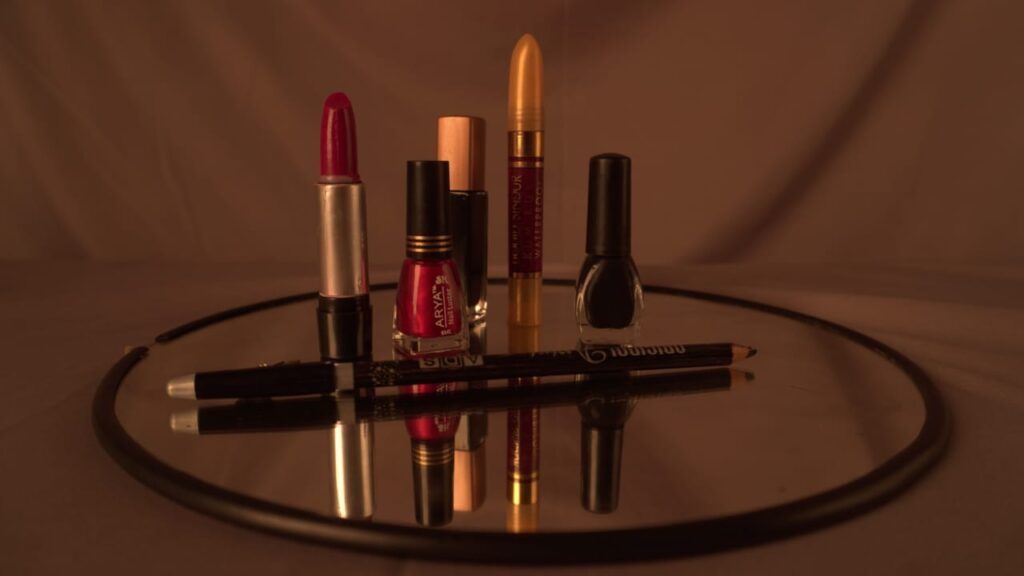
The bathroom shelf groaned, the skin barrier surrendered. At the height of the ten-step routine era, it was common to layer acids on retinoids on vitamin C, morning and night, in pursuit of a glow that kept receding. Dermatology clinics saw the results: sensitised, reactive, breaking-out skin on people doing everything the internet told them. The correction now dominating skincare has a name — skinimalism — and a radically shorter shopping list.
The stripped-back routine its advocates prescribe has three non-negotiables and one variable. A gentle cleanser that does not strip. A moisturiser matched to skin type to hold the barrier together. Sunscreen every morning, which dermatologists repeat is responsible for more visible anti-ageing than every other product combined. And one active ingredient aimed at your actual concern — retinoid for texture and fine lines, niacinamide for redness, an exfoliating acid a few nights a week for congestion. Beauty coverage on sheend.com has charted the shift from maximalist hauls to this edited shelf.
Why less works better
The science is largely the science of irritation. Most skincare actives are dose-dependent irritants; stacking them multiplies irritation faster than benefit, and a damaged barrier lets water out and irritants in — the mechanism behind much ‘suddenly sensitive’ skin. Clinical guidance from bodies such as the American Academy of Dermatology consistently favours consistency over complexity: a simple routine performed daily for three months outperforms an elaborate one abandoned in frustration at week three.
Skinimalism also restores diagnostic clarity. When your routine has four products and your skin reacts, you know the culprit. With twelve, every flare is a mystery and every fix is another purchase.
The routine as a budget line
The movement has a dermatological diagnostic tool of its own: the routine fast. When a patient’s skin is in revolt and the culprit is unclear, clinicians increasingly prescribe a fortnight of the bare three — cleanser, moisturiser, sunscreen — before reintroducing one active at a time, a week apart. Most cases resolve or identify themselves within the month. It is the skinimalist philosophy applied as medicine: subtract until the signal is clear.
Brands have read the room, launching barrier-first lines and stripping fragrance and filler from flagship products. The risk, as with every correction, is the slogan outrunning the substance — ‘minimalist’ ranges of nine products, purity as marketing. The test remains the shelf and the calendar: few products, chosen for a reason, given time to work. Skin keeps its own ledger, and it does not read advertisements.
The movement’s appeal is frankly economic as well as dermatological: the edited shelf costs a fraction of the maximalist one, and the savings concentrate spending where it matters — a good sunscreen you will actually wear. Skin, like most systems, rewards the basics done boringly well. Cleanse gently, moisturise honestly, protect daily, treat one thing at a time. The glow, it turns out, was never in the eleventh step.
