
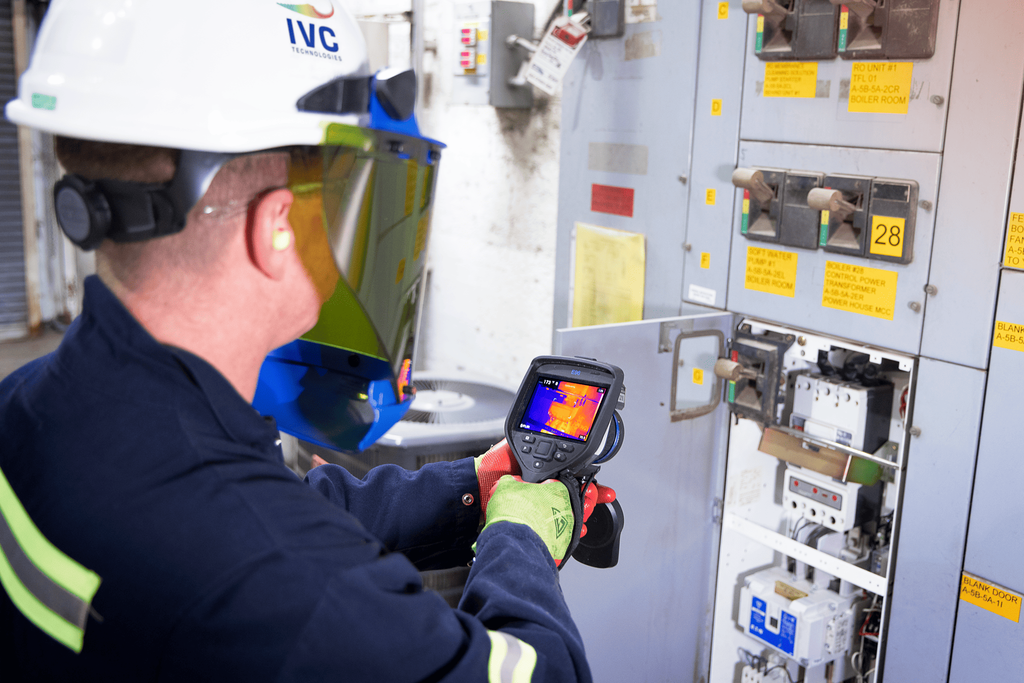
The industrial equipment is very important for ensuring efficiency and meeting the required targets and helping the business to grow. But when the equipment is subjected to tough conditions, there might be problems within it that may start showing signs over time. One way of detecting such abnormalities is using thermal diagnostics and using it for assessing the condition of the equipment and solving the problems before they become worse. Infrared technology helps in improving the reliability of the equipment and saving on repairs and costs. Below are some of the ways that thermal diagnostics help in equipment management.
Improved Electrical System Reliability
There are certain temperature-related issues that electrical installations are most susceptible to, which can endanger both workplace safety and uninterrupted operation. Loose contacts, overload, poor insulation, and unbalanced electrical loads are some common causes of abnormal heat generation. If they go unnoticed, they will sooner or later lead to failure of some component, equipment damage, and, in more severe cases, even an electrical fire outbreak. Thermal imaging is a convenient way for maintenance experts to inspect such electrical panel boards, transformers, switchgear, distribution boards, and other installations. The process allows technicians to perform the inspection without shutting down the systems and checking the system’s working status.
Early Fault Detection Prevents Unexpected Failures
Among the most beneficial features of thermal diagnostics is the ability to determine emerging equipment issues before any serious damage is done. Electric joints, motors, bearings, and other mechanical elements may be heated due to friction, resistance, lack of lubricants, or overload. Thermal imaging devices spot such anomalies without making technicians interfere in ongoing activities or open up machines. The early detection of abnormal thermal distribution helps to deal with emerging issues while they are still relatively small. Businesses that invest in the best infrared inspection services that provide accurate thermal assessments can recognize warning signs early and take corrective action before minor abnormalities develop into serious operational disruptions. Such an approach minimizes the risk of unexpected malfunctions, saves on costly emergency repairs, and facilitates planned maintenance work.
Reduced Maintenance Costs Through Condition Monitoring
Classic maintenance systems rely either on fixed time intervals for servicing or repairs when a machine fails. While these methods may be helpful for some operational demands, sometimes they lead to the replacement of working parts or failure to notice developing issues. Thermal analysis helps perform condition-based maintenance by supplying vital information about the real condition of equipment. Technicians can compare the results of temperature readings at different times of checking, detect any deviations, and decide what components need attention. Such information allows maintenance managers to use their resources more efficiently than changing good parts based on certain intervals. Moreover, early detection of overheating can help avoid secondary damage, which makes the repairs even harder and more costly.
Enhanced Production Efficiency and Operational Continuity
Unforeseen mechanical breakdowns can affect production schedules, cause delays in delivery, and put extra strain on the maintenance staff. Thermal diagnostics ensure that equipment is not subject to any malfunctions that can disrupt the production process by detecting them before they occur. The maintenance staff can schedule repairs when it is convenient to do so instead of dealing with an emergency that requires their immediate attention. The infrared inspection provides technicians the opportunity to test several pieces of equipment at once, thus making it especially helpful in huge industrial complexes where there is a great deal of equipment.
Better Maintenance Planning Through Accurate Data
Effective maintenance requires the right information regarding the performance of the machinery in use and the varying operational conditions. Thermal imagery offers information that can be recorded, compared, and analyzed over time. By setting up temperature levels as baseline measurements, it becomes possible for the technologist to differentiate between normal variations in performance and abnormal situations that pose risks. Information recorded in this process is also useful when considering maintenance, equipment priority, and asset management. If thermal information is included in the computerized maintenance management systems, then there will be better information for maintaining equipment schedules and tracking repeating problems.
Thermal diagnostics assist organizations with tangible benefits that will help ensure the efficiency of their equipment as well as minimize unnecessary downtime. From fault detection and identification of electrical dangers to maintenance cost control and production continuity improvement, there are many benefits that can be provided by infrared diagnostics. Thermal diagnostics in an overall maintenance system is an important step for any business.
