
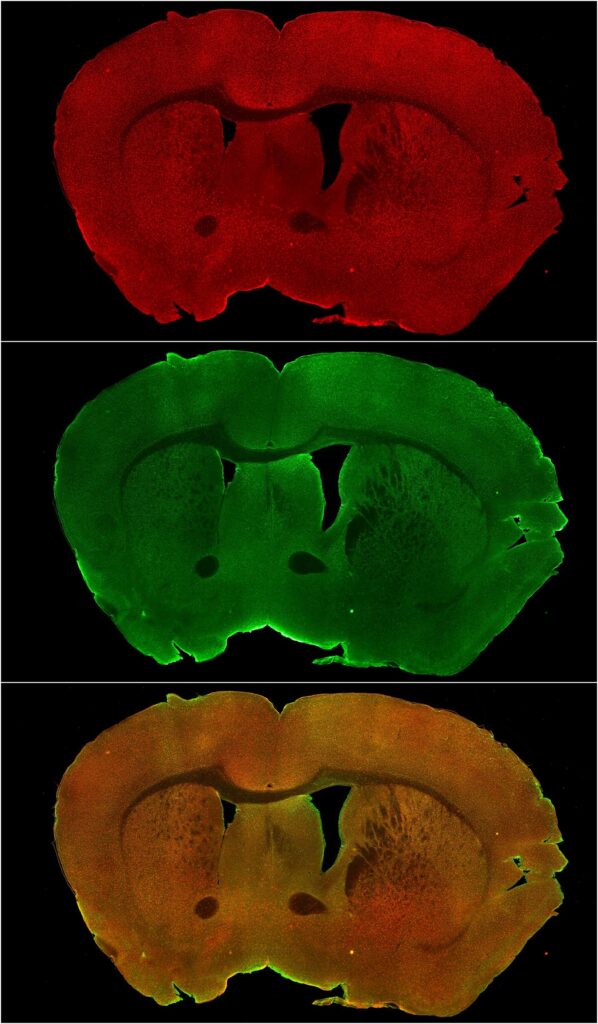
Scientists have identified a gene that helps the brain’s immune cells contain harmful plaques linked to Alzheimer’s disease, potentially revealing a new way to fight the illness. The finding was reported on 21 November 2026. The brain’s immune cells, called microglia, surround the sticky amyloid plaques that build up in Alzheimer’s and try to limit the damage they cause. The newly identified gene appears to strengthen that response, helping microglia corral the plaques and protect the neurons around them. When the gene works well, the brain copes better with the plaques; when it falters, the damage spreads faster. The work was carried out in laboratory models, where researchers could watch the immune cells at work around the plaques.
What the Evidence Shows
The discovery points to a different strategy for treating Alzheimer’s. Most drug research has focused on clearing plaques directly, with mixed results. Boosting the brain’s own cleanup crews could work alongside those approaches, or succeed where they have failed. The gene also gives researchers a new target for drugs that could switch the protective response on more strongly. Much work remains before any treatment reaches patients, and the findings need to be confirmed in larger studies. But the result adds to a growing picture of Alzheimer’s as a disease of the brain’s immune system, not just of its plaques. For families living with Alzheimer’s, even a treatment that slows the disease would be a meaningful step forward. Reporting and analysis from sources such as Nature track the same developments, and specialists following the Alzheimer’s-protecting gene say the direction is now consistent across independent lines of evidence.
The Wider Context
The wider context is a research landscape in which replication and open data now decide reputations. Findings connected to the Alzheimer’s-protecting gene are being checked by independent groups with shared datasets, and the teams involved publish their methods in full so rivals can test every step. That discipline is slower than a headline cycle, but it is why results in this area increasingly survive first contact with scrutiny.
What Happens Next
What happens next in the story of the Alzheimer’s-protecting gene will be decided by follow-up work already under way: larger samples, longer observation and instruments that have not yet come online. The researchers involved are unusually united on one point, that the current results justify the next investment of time and money. Readers will not have to wait long for the first tests of that claim. You can follow related developments in our coverage of science.
None of this will be settled by a single announcement, study or product launch. The pattern to watch is accumulation: independent confirmations, honest reporting of failures and steady improvement in the underlying numbers. Readers who follow those signals, rather than the loudest claim of the week, will understand this subject better than most of the commentary surrounding it suggests is possible.
