
Introduction
Making quality espresso at home is about more than owning an expensive coffee machine. It involves understanding how different parts of the brewing process work together, from grinding fresh coffee beans to preparing the perfect espresso shot and steaming milk. For many coffee enthusiasts, creating a consistent coffee routine can become challenging when every stage requires separate equipment, extra preparation, and careful coordination. Choosing the right espresso setup can make this daily experience simpler, more enjoyable, and easier to manage.
Modern home espresso systems are designed to bring several important functions together in one place. Instead of treating grinding, brewing, steaming, and measuring as completely separate activities, an integrated approach focuses on how these steps support each other. Meraki follows this approach by combining important espresso-making functions into a single home coffee system. Understanding this concept can help coffee lovers make better equipment decisions and develop a more organized approach to preparing espresso at home.
Understanding the Meraki Approach to Home Espresso
A good home espresso experience begins with equipment that supports the entire preparation process. Coffee enthusiasts often spend time selecting a grinder, espresso machine, weighing tools, and milk-steaming equipment separately. Although this approach offers flexibility, it can also create a crowded coffee station and make the preparation process more complicated. An integrated system offers another way to organize these activities by bringing important functions together within one machine.
The idea behindMeraki is to create a connected home espresso experience where grinding, brewing, steaming, and weighing work as parts of one overall workflow. This approach is useful for people who want to explore espresso preparation without managing several independent appliances. Having different functions available within one system can also make it easier to maintain a consistent routine. Rather than moving between multiple pieces of equipment, users can focus more attention on coffee preparation, flavor, and the small adjustments that influence the final drink.
The Importance of an Integrated Coffee Grinder
Grinding coffee beans is one of the most important stages of preparing espresso. Freshly ground coffee allows home baristas to control an important part of extraction, while grind size can influence how quickly water moves through the coffee. A grind that is too coarse may produce a weak or underdeveloped shot, while an overly fine grind can slow extraction and create an unbalanced taste. Learning how these changes affect flavor is an important part of developing better espresso-making skills.
An integrated grinder can make this process more convenient because grinding becomes part of the same preparation routine as brewing. Users do not need to move between a separate grinder and espresso machine every time they prepare a drink. However, convenience should not replace attention to the coffee itself. Bean freshness, roast level, grind consistency, and dose all influence the final result. Taking time to understand these factors helps users make better adjustments and build confidence with their equipment. A well-organized grinder and brewing workflow can also reduce unnecessary steps during busy mornings.
Exploring Brewing and Milk Steaming Capabilities
Preparing espresso and steaming milk are two different activities that often happen close together when making drinks such as cappuccinos and lattes. Traditional machines may require users to wait between brewing and steaming, depending on their heating system and design. This can make drink preparation slower, especially when preparing several cups. Equipment with separate brewing and steaming systems can help make this process more efficient by supporting both activities within a connected setup.
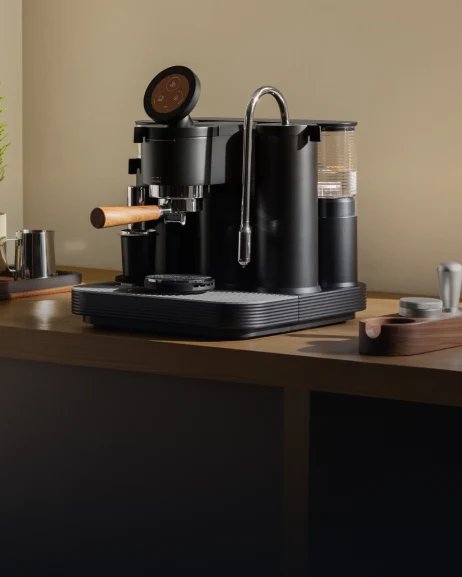
TheMeraki espresso machine combines features such as dual boilers, a built-in grinder, integrated scales, a rotary pump, and a touchscreen. These components are designed to support different stages of espresso preparation. Dual boilers are particularly useful because separate heating systems allow espresso brewing and milk steaming to take place at the same time. This can help create a smoother preparation routine when making milk-based drinks. Understanding what each feature does is important when comparing machines because the best equipment choice depends on personal habits, drink preferences, and the amount of control a user wants during daily brewing.
Why Measurement and Consistency Matter
Consistency is one of the main goals of home espresso preparation. Even small changes in coffee dose, grind size, water flow, and extraction time can influence the flavor of a finished drink. A shot that tastes balanced one morning may taste different the next day if the beans have changed, the grinder setting has been adjusted, or the preparation process has become less precise. Developing a repeatable routine makes it easier to understand these changes and improve results over time.
Measurement tools can help home baristas make more informed adjustments. Integrated scales support weighing coffee during preparation, while shot timing provides another useful way to observe extraction. These measurements do not automatically guarantee excellent espresso, but they provide information that can guide future changes. For example, if a shot runs unusually quickly, adjusting the grind may help improve the result. If the flavor tastes too strong or too light, reviewing the coffee dose and final yield may provide useful clues. Combining measurement with careful tasting helps users move beyond guesswork and develop a better understanding of their brewing preferences.
Creating a More Enjoyable Home Coffee Routine
A home espresso station should support the way people actually prepare and enjoy coffee. Some users prefer a simple morning espresso, while others enjoy experimenting with milk-based drinks, different beans, and changing extraction settings. The right equipment should fit these habits without making everyday preparation unnecessarily difficult. An integrated machine can be especially appealing to people who want several important functions available in one organized setup.
It is also important to consider the learning process when choosing espresso equipment. Beginners may need time to understand grind adjustments, coffee preparation, extraction, and milk texture. More experienced coffee enthusiasts may focus on refining their technique and exploring different flavor profiles. Regardless of experience, a machine should provide features that match the user's needs rather than simply offering the longest list of specifications. Looking at the complete workflow, available functions, machine configuration, and personal coffee habits can help buyers make a more informed decision.
Conclusion
Modern home espresso preparation is becoming more focused on convenience, consistency, and better control over the brewing process. An integrated coffee system brings important functions such as grinding, brewing, steaming, and weighing into a connected workflow. This can help reduce unnecessary equipment, simplify daily preparation, and give coffee enthusiasts more opportunities to focus on improving their drinks. Understanding the purpose of each feature also makes it easier to choose equipment that suits individual preferences.
Meraki represents this integrated approach to home espresso by combining several important preparation features within one system. However, great coffee still depends on fresh beans, suitable grind settings, careful measurement, and practice. By understanding how these elements work together, home baristas can create a more organized coffee station and enjoy a more consistent espresso experience. Choosing equipment that supports personal habits and brewing goals is an important step toward making better coffee at home.
