
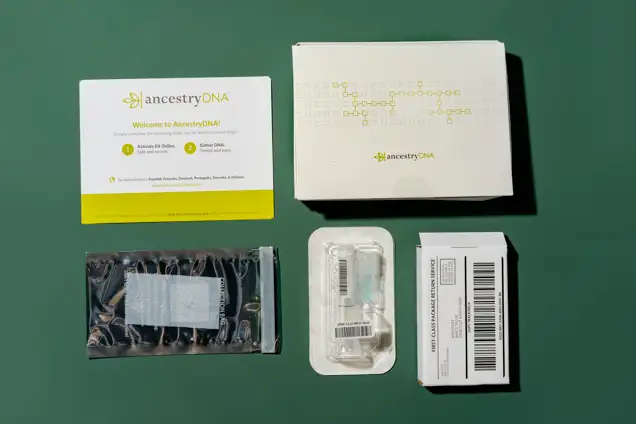
DNA testing has become one of the most popular ways to explore family history, discover ancestral roots, and uncover connections that traditional genealogy research may miss. In 2026, consumer DNA testing continues to help people investigate their ethnic backgrounds, identify potential relatives, and learn more about the journeys their ancestors may have taken across generations.
Modern ancestry DNA tests use genetic information collected through saliva or cheek-swab samples. Companies compare selected parts of a person’s DNA with reference populations and genetic databases to estimate ancestral origins and identify possible biological relationships. Depending on the service, results may also include migration insights, maternal or paternal lineage information, and connections to distant relatives.
However, DNA testing does not reveal every detail of a person’s family history. Ethnicity estimates are statistical predictions, relative matches require careful interpretation, and genetic information cannot independently explain every cultural or historical connection.
What Is Ancestry DNA Testing?
Ancestry DNA testing examines selected genetic markers to identify patterns associated with different populations and biological relationships. These patterns can provide clues about a person’s ancestors, particularly when genetic results are compared with historical records and information from other family members.
Every person inherits DNA from their biological parents. Those parents inherited DNA from earlier generations, creating a genetic record that contains information about family relationships. Although DNA becomes increasingly mixed across generations, certain genetic patterns can still help researchers identify shared ancestry.
Consumer ancestry tests generally focus on three major areas: autosomal DNA, mitochondrial DNA, and Y-chromosome DNA.
Autosomal DNA Testing
Autosomal DNA testing is the most common option for people interested in discovering their ancestry. It examines genetic information inherited from both parents and can identify potential relatives on either side of a family.
Because autosomal DNA comes from many ancestral lines, it can help users investigate cousins, grandparents, great-grandparents, and other biological relatives. The strongest matches often involve close relatives, while more distant connections may require additional research.
Autosomal testing also provides ethnicity estimates by comparing a person’s DNA with reference groups associated with particular geographic regions or populations.
However, the amount of DNA inherited from individual ancestors varies. This means a person may carry identifiable DNA from some ancestral lines while inheriting little or no detectable DNA from others.
Mitochondrial DNA Testing
Mitochondrial DNA, commonly called mtDNA, follows a different inheritance pattern. Nearly everyone inherits mitochondrial DNA from their biological mother, making it useful for tracing a direct maternal line.
This line follows a person’s mother, maternal grandmother, maternal great-grandmother, and earlier maternal ancestors.
Mitochondrial DNA can provide information about ancient maternal ancestry and help identify genetic connections between people who share maternal lineage.
However, it does not represent a person’s complete ancestry. A person has many ancestral lines, and mitochondrial DNA follows only one of them.
Y-Chromosome DNA Testing
Y-chromosome DNA testing can help trace a direct paternal line. The Y chromosome is generally passed from biological father to son, although biological variations and exceptions can occur.
This testing can identify genetic similarities among people who share paternal ancestry and may provide insights into ancient population movements.
Because traditional Y-chromosome testing requires a Y chromosome, it is generally available to people who possess one. Others may explore their paternal ancestry through a suitable biological relative, such as a father, brother, or paternal uncle.
Like mitochondrial DNA testing, Y-DNA testing examines only one narrow ancestral line rather than a person’s entire family tree.
What Can DNA Testing Really Reveal in 2026?
Ancestry DNA testing offers several useful discoveries, but each result must be interpreted according to the type of genetic evidence involved.
1. Estimated Ethnic and Geographic Origins
One of the most recognizable features of ancestry DNA testing is the ethnicity estimate. These reports assign percentages to regions or populations based on similarities between a person’s DNA and selected reference samples.
For example, a report might estimate ancestry associated with South Asia, Western Europe, East Asia, or parts of Africa. Some services divide these broad regions into smaller geographic areas when their databases support more detailed comparisons.
These estimates can help people develop questions about their family history. Someone with documented ancestors from a particular region might discover genetic patterns consistent with that background or find evidence suggesting additional ancestral connections.
However, ethnicity percentages should not be treated as exact measurements of national identity or cultural heritage.
Why Ethnicity Estimates Can Change
DNA testing companies regularly update their reference databases, analytical methods, and population classifications. As more samples become available, companies may identify patterns that were previously difficult to distinguish.
Consequently, an ancestry report received in 2026 may differ from a report generated several years earlier using the same DNA sample.
A person might see one geographic region divided into several smaller categories, or a percentage assigned to one population might shift toward a neighboring region.
These changes do not mean the person’s DNA has changed. Instead, the company has revised its interpretation of the existing genetic information.
Geographic borders also do not always match genetic patterns. Populations have migrated, traded, intermarried, and exchanged genes for thousands of years. Neighboring communities may share considerable genetic similarity despite having different languages, nationalities, or cultural traditions.
For this reason, ethnicity estimates work best as starting points for further research rather than definitive statements about identity.
2. Potential Biological Relatives
DNA testing can identify people who share genetic material with the person being tested. Depending on the amount of shared DNA, a match may represent a parent, sibling, cousin, distant relative, or another biological relationship.
Most ancestry services organize matches according to shared genetic information, often measured in centimorgans. A centimorgan is a unit used to describe genetic linkage and helps researchers estimate how closely two people may be related.
Close matches can provide particularly valuable information. A person searching for an unknown grandparent, for example, might identify relatives who belong to the relevant branch of the family.
More distant matches can also help reconstruct family trees, although the relationship may not be immediately clear.
Can DNA Testing Find Unknown Family Members?
Yes. DNA testing has helped many people discover biological relatives they did not previously know existed.
These discoveries may involve adopted individuals, donor-conceived people, unknown half-siblings, or relatives separated by migration and historical events.
However, identifying a genetic match does not automatically establish the exact relationship. Several different family relationships can produce similar amounts of shared DNA.
Accurate identification may require family trees, birth records, marriage certificates, historical documents, and communication with genetic matches.
People should also understand that unexpected discoveries can have emotional consequences. DNA results may reveal adoption, previously unknown parentage, or family relationships that relatives have chosen not to discuss.
3. Clues About Ancestral Migration
DNA testing can sometimes provide clues about the geographic movements of earlier populations. These insights may help users investigate how their ancestors moved between regions over many generations.
For example, genetic similarities across neighboring populations may reflect historical migration, intermarriage, or shared ancestry extending far into the past.
Some testing services also provide lineage reports associated with maternal or paternal haplogroups. These genetic groupings can offer information about ancient population history and the movement of particular ancestral lines.
Nevertheless, migration reports have important limitations.
DNA alone generally cannot establish the precise village where a specific ancestor lived, the exact year a family moved, or the reason a historical migration occurred.
To investigate those details, researchers should compare genetic evidence with immigration documents, census records, passenger lists, land records, and other historical sources.
4. Information About Maternal and Paternal Lineages
Specialized DNA testing can help users explore particular branches of their family tree.
Mitochondrial DNA can trace a direct maternal line, while Y-chromosome DNA can investigate a direct paternal line in suitable individuals.
These tests may reveal shared lineage patterns between people who otherwise have limited genealogical information.
For families whose records have been lost, damaged, or never created, genetic lineage research can provide additional evidence.
However, lineage results should not be confused with a complete family history. A person has numerous ancestral lines, and any single-line test represents only a small portion of that larger picture.
5. Evidence That Supports Traditional Genealogy
DNA testing becomes especially useful when combined with traditional genealogy research.
Historical records can establish names, dates, locations, occupations, and documented family relationships. DNA can help evaluate whether particular biological connections are consistent with those records.
For example, two people researching the same great-grandparent might discover that they share DNA in an amount consistent with their suspected relationship.
Similarly, genetic matches may point researchers toward a previously unknown family branch or a geographic area worth investigating.
The strongest conclusions usually come from several independent sources of evidence rather than a single DNA result.
What DNA Testing Cannot Reliably Tell You
Although ancestry DNA tests can reveal meaningful patterns, their limitations are equally important.
Understanding these boundaries helps prevent incorrect conclusions about ethnicity, family relationships, and personal identity.
DNA Cannot Provide a Complete Family Tree
A DNA report does not automatically list every ancestor, provide every historical name, or explain the relationships connecting generations.
Genetic testing can identify potential relatives and ancestry patterns, but it cannot reconstruct every branch of a family tree without supporting information.
Many ancestors lived before reliable birth and marriage records became widespread. Others belonged to communities whose records were destroyed, never created, or remain difficult to access.
DNA may help fill some gaps, but historical documentation and careful research remain essential.
DNA Cannot Always Identify a Precise Country
Ethnicity estimates often use geographic labels because those labels make reports easier to understand. However, genetic populations do not necessarily correspond to modern national boundaries.
A person may receive similar ancestry estimates for neighboring countries because their populations share historical genetic connections.
In regions with extensive migration and intermarriage, distinguishing between closely related populations can be especially difficult.
Therefore, a result associated with a particular country should not automatically be interpreted as proof that a recent ancestor was born there.
DNA Cannot Determine Cultural Identity
Genetic ancestry and cultural identity are related in some circumstances, but they are not interchangeable.
DNA testing cannot independently determine a person’s language, religion, nationality, traditions, upbringing, or personal sense of belonging.
Someone may have genetic connections to several regions while identifying strongly with the culture in which they were raised.
Likewise, people from the same cultural community may have different genetic ancestry patterns.
Family traditions, community relationships, historical experiences, and personal identity involve much more than genetic inheritance.
DNA Cannot Always Identify the Exact Relationship Between Relatives
Shared DNA can help estimate biological relationships, but certain relationships overlap genetically.
For instance, some relationships involving half-siblings, aunts, uncles, grandparents, and cousins may produce overlapping ranges of shared DNA.
The interpretation becomes more difficult when family structures include adoption, unknown parentage, endogamy, or multiple relationships between the same ancestral families.
Endogamy occurs when people marry within a relatively small or interconnected community over many generations. It can result in distant relatives sharing more DNA than expected, making some relationship estimates harder to interpret.
Researchers should consider family structure and supporting evidence before accepting a suggested relationship as certain.
DNA Cannot Predict Every Health Outcome Through Ancestry Reports
Ancestry testing primarily investigates genetic similarities, population origins, and biological relationships. It should not be treated as a comprehensive medical assessment.
Some consumer companies offer separate health-related genetic reports, but these services differ in scope, validation, and interpretation.
A genetic finding does not necessarily mean someone will develop a particular condition. Likewise, the absence of a reported genetic variant does not guarantee that a person has no inherited health risks.
Anyone concerned about medical implications should seek guidance from a qualified healthcare professional or genetic counselor.
How Accurate Is DNA Testing in 2026?
The accuracy of DNA testing depends on the question being asked.
Identifying a close biological relative can be highly informative because close relatives often share substantial amounts of DNA. Estimating broad ancestral population patterns can also be useful when suitable reference data are available.
However, accuracy becomes more complicated when companies attempt to assign precise percentages to small or closely related geographic populations.
Accuracy of DNA Relative Matches
DNA matching is generally strongest when identifying close biological relationships. Parent-child relationships and many full-sibling relationships involve recognizable patterns of shared genetic material.
More distant relationships are harder to distinguish because relatives inherit different combinations of DNA from earlier generations.
A predicted relationship should therefore be considered an estimate rather than an automatic conclusion.
Researchers can improve confidence by examining shared matches, comparing family trees, and testing additional relatives when appropriate.
Accuracy of Ethnicity Percentages
Ethnicity estimates depend on the quality and diversity of a company’s reference database, the populations included in its analysis, and the statistical methods used.
If a reference database contains limited samples from a particular region, the company may struggle to distinguish that population from neighboring groups.
Some ancestry regions are easier to identify than others because their genetic patterns are more distinctive in the available data.
Small percentages deserve particular caution. They may represent genuine distant ancestry, overlapping population patterns, or uncertainty in the estimation process.
Rather than focusing exclusively on a percentage, users should consider the overall pattern of results and whether it aligns with documented family history.
How to Choose an Ancestry DNA Test in 2026
Selecting a DNA testing service requires more than comparing prices or advertised features. The best option depends on whether the main goal is finding relatives, exploring ethnic origins, tracing a specific lineage, or building a family tree.
People interested in biological relatives should examine the size and relevance of a company’s matching database. A large database may increase the chance of finding useful matches, although the number of participants from a particular region also matters.
Users focused on geographic ancestry should investigate the regions covered by each company’s reports and whether the service explains its methodology and uncertainty.
Specialized Y-DNA or mitochondrial DNA testing may be appropriate for those researching a direct paternal or maternal line.
Privacy policies also deserve careful attention. Before submitting a sample, users should understand how their genetic data are stored, whether they can delete their account and request sample destruction, and whether the company permits research participation or third-party data sharing.
Some companies provide separate consent options for research and other uses. These policies can vary, so reading the current terms is essential.
Finally, people should review the company’s procedures for account security, data access, and handling legal requests where applicable.
DNA Privacy and Security: What Users Should Know
Genetic information is unusually personal because it can reveal details about biological relationships and may provide information relevant to relatives who have never taken a DNA test.
Once a sample is submitted, the testing provider may retain the physical sample and digital genetic data according to its policies and the user’s consent choices.
Before testing, users should determine how long samples are stored, what happens when an account is closed, and whether deleting an account also deletes genetic data and destroys the physical sample.
These actions may follow different procedures, so users should not assume that account deletion automatically removes every record.
It is also important to understand whether a service allows users to download raw DNA data or transfer it to other genealogy platforms. Such transfers can expand research opportunities but may expose genetic information to additional organizations.
People should use strong, unique passwords and enable available account-security features. They should also consider whether they are comfortable discovering unexpected family relationships before activating relative matching.
Privacy decisions can affect biological relatives as well as the person being tested. Responsible use means respecting other people’s boundaries and avoiding the unnecessary public sharing of identifiable genetic information.
How to Get More Value From Your DNA Results
DNA testing becomes more informative when users approach it as part of a broader family history project rather than a standalone answer.
The first step is to document what is already known. Names, birthplaces, marriage dates, immigration details, family photographs, and oral histories can help researchers establish a starting point.
Next, users should compare genetic matches with documented family relationships. A match connected to a known grandparent’s family may provide a useful lead, especially when several related matches support the same connection.
It can also help to ask older relatives about family traditions, ancestral locations, and historical events. These conversations may provide clues that guide further investigation, although memories should still be checked against available records.
When possible, testing willing relatives from different branches can clarify which side of the family a match belongs to. For example, a known maternal relative may help separate matches associated with the maternal side from those connected to the paternal side.
Finally, users should revisit their results when a testing provider updates its database or introduces new matching features. New matches and revised estimates may provide additional clues over time.
The Future of Ancestry DNA Testing
Ancestry DNA testing is likely to become more useful as genetic databases expand, analytical methods improve, and researchers develop better ways to distinguish closely related populations.
Larger and more diverse reference datasets may improve estimates for communities that have historically been underrepresented in commercial testing databases.
Improved matching tools may also help users identify connections among distant relatives, organize family networks, and investigate branches with limited historical documentation.
However, technological progress will not remove every limitation. Genetic similarities cannot always distinguish between neighboring populations, and DNA does not preserve a complete written record of every person’s life.
Privacy will remain another major consideration as testing services introduce new analytical capabilities and data-sharing options.
The most reliable future for ancestry research will combine genetic science with transparent methods, informed consent, historical documentation, and responsible interpretation.
Frequently Asked Question
What can DNA testing reveal about my ancestry?
DNA testing can estimate ancestral population origins, identify potential biological relatives, and provide clues about maternal or paternal lineages. Results are most useful when combined with family records and historical research.
Are ancestry DNA results 100% accurate?
No. Close-relative matches can provide strong evidence of biological relationships, but ethnicity percentages are estimates. Accuracy depends on reference databases, genetic patterns, and the methods used to interpret the results.
Can DNA testing tell me exactly where my ancestors lived?
Usually not. Testing may identify broad geographic regions or suggest connections to particular populations, but it generally cannot establish an exact ancestral village or prove a specific historical birthplace without supporting evidence.
Can DNA testing help me find unknown relatives?
Yes. DNA matching can reveal biological relatives, including cousins, half-siblings, and other previously unknown family members. Additional records and relationship analysis may be necessary to determine the exact connection.
Why do ancestry percentages change over time?
Companies update their reference populations and analytical methods as new genetic information becomes available. Revised percentages reflect changes in interpretation rather than changes in a person’s DNA.
Is ancestry DNA testing safe for my privacy?
Privacy depends on the provider’s policies, security practices, and the choices you make when submitting your sample. Review data storage, research consent, deletion procedures, and relative-matching settings before testing.
Is DNA testing better than traditional genealogy research?
Neither method replaces the other. DNA testing can identify biological connections, while traditional genealogy provides historical details about names, locations, and events. Combining both approaches generally produces stronger conclusions.
Conclusion
DNA testing in 2026 offers valuable opportunities to explore ancestral origins, discover biological relatives, and investigate family histories that might otherwise remain incomplete. Modern testing services can identify genetic similarities, estimate geographic ancestry, and provide clues about maternal and paternal lineages.
