
Play is one of the most natural and effective ways for children to learn. In speech therapy, play-based techniques are widely used to help children develop communication skills in a fun, engaging, and low-pressure environment. Rather than relying solely on structured exercises, therapists incorporate play to encourage language development, social interaction, and confidence.
Why Play Is Essential for Communication Development
Children learn best when they are actively engaged and enjoying themselves. Play provides opportunities for children to explore language, practice new words, and interact with others in meaningful ways. During play, children naturally use and develop skills such as turn-taking, problem-solving, and expressing thoughts and emotions.
For children with speech or language delays, play can be especially powerful. It removes pressure and allows them to communicate more freely, making it easier for therapists to model and reinforce language skills.
How Speech Therapists Use Play-Based Techniques
Speech therapists carefully design play activities to target specific communication goals. While it may look like simple fun, each activity is intentional and structured to promote speech and language development.
- Modeling Language: Therapists demonstrate correct language use during play, helping children learn new vocabulary and sentence structures naturally.
- Expanding Communication: When a child uses a word or phrase, the therapist builds on it by adding more detail, encouraging longer and more complex sentences.
- Encouraging Interaction: Games that require turn-taking help children learn the flow of conversation and improve social communication skills.
- Using Repetition: Repeating words and phrases during play helps reinforce learning and improves retention.
Types of Play Used in Speech Therapy
Different types of play are used depending on the child’s age and developmental needs. Each type supports communication in unique ways:
- Pretend Play: Activities like playing house or using toy figures encourage storytelling, imagination, and expressive language.
- Interactive Games: Board games and simple group activities promote turn-taking, listening, and following directions.
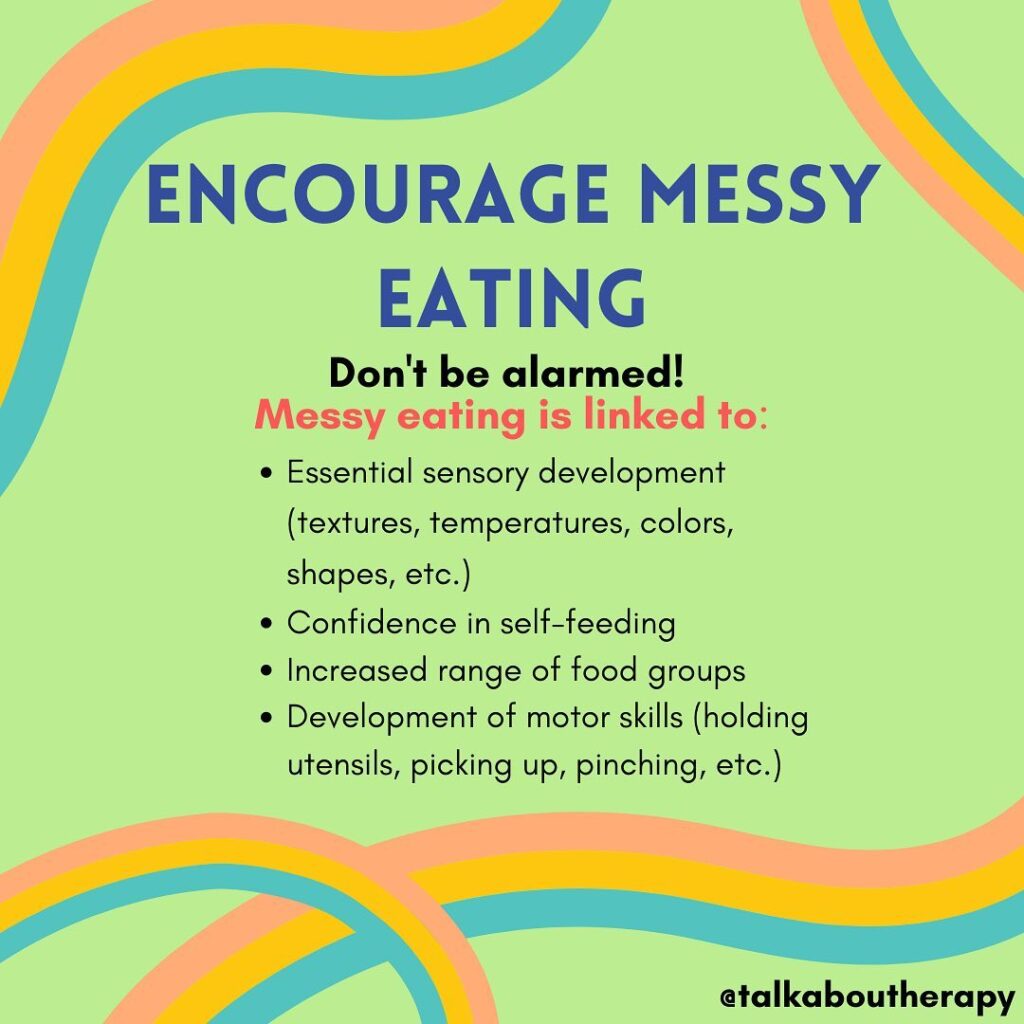
- Sensory Play: Playing with textures like sand, water, or playdough can help children who have sensory sensitivities while encouraging communication.
- Cause-and-Effect Toys: Toys that respond to actions (like buttons or levers) motivate children to communicate requests and reactions.
Benefits of Play-Based Speech Therapy
Play-based therapy offers a wide range of benefits for children working on communication skills:
- Increased Engagement: Children are more motivated to participate when therapy feels like play rather than work.
- Improved Language Skills: Natural interactions during play help children learn vocabulary, grammar, and sentence structure.
- Better Social Skills: Children learn how to interact with others, share, and respond appropriately in conversations.
- Reduced Anxiety: A relaxed, playful environment helps children feel more comfortable practicing new skills.
Supporting Play-Based Learning at Home
Parents can extend the benefits of speech therapy by incorporating play-based learning at home. Simple, everyday activities can become powerful opportunities for communication growth.
- Follow Your Child’s Lead: Let your child choose the activity and join in, using it as an opportunity to model language.
- Narrate Play: Describe what your child is doing to introduce new words and concepts.
- Ask Open-Ended Questions: Encourage your child to think and respond with more than just “yes” or “no.”
- Be Patient: Give your child time to respond and express themselves without pressure.
Why Choose Talk About Therapy for Speech Therapy?
At Talk About Therapy, we believe that children learn best when they feel comfortable, engaged, and supported. Our therapists use play-based approaches to create meaningful and enjoyable therapy experiences that lead to lasting results. We focus on building a strong foundation for communication while making therapy fun and interactive.
We offer personalized care through both in-clinic and teletherapy services, ensuring that each child receives the support they need in a way that works best for their family. Our goal is to help children grow in confidence and develop the communication skills they need for everyday life.
To learn more about our approach and services, visit Expert in-clinic and teletherapy Evaluations and Treatment and discover how we can support your child’s communication journey.
Contact Information
Address: 2635 Century Pkwy NE Suite 250, Atlanta, GA 30345, United States
Phone: 770-927-7424
Email: admin@talkaboutherapy.com
Hours: Mon – Thu: 8:00AM – 6:00PM
Fri: 9:00AM – 1:00PM
Sat – Sun: Closed