
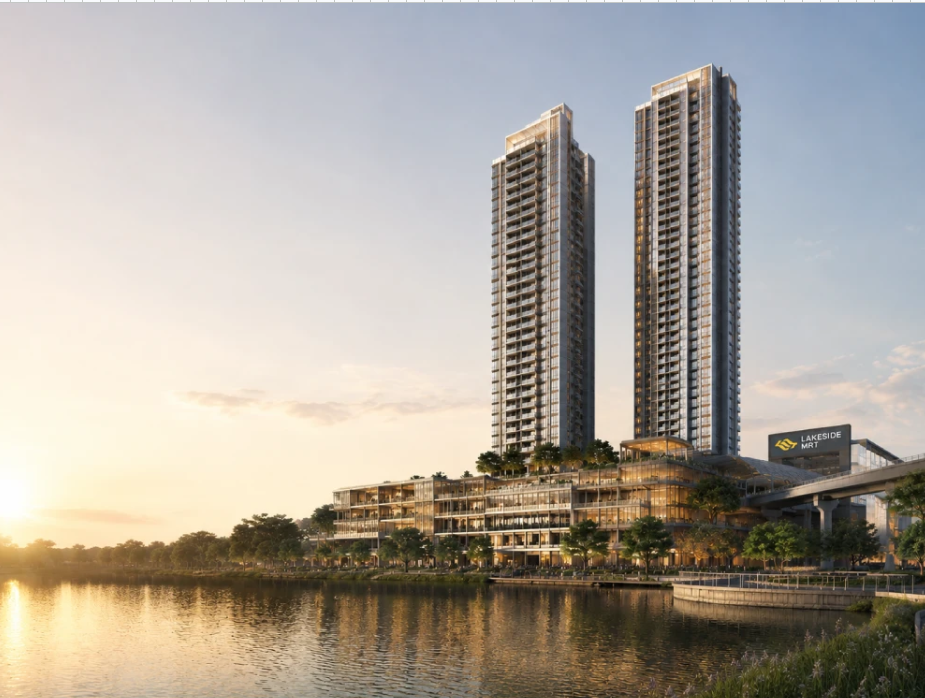
Purchasing a condominium represents a major financial milestone, but the relationship between buyers and developers can quickly sour. When structural issues or contract breaches occur, legal battles often follow. High-profile cases, such as the recent litigation involving the Thomson Reserve residential project, highlight how easily disagreements over building standards can escalate. Condo owners frequently find themselves fighting for the homes they were promised, while developers work to protect their profit margins and reputation. Understanding the core drivers of these conflicts helps buyers safeguard their investments. This article examines the most common legal disputes between condo owners and developers, focusing on construction defects, contract delays, misrepresentation, and resolution strategies.
Construction Defects and Structural Failures
The most frequent catalyst for legal action between condo owners and developers is construction defects. After moving in, residents often identify issues that range from minor cosmetic flaws to severe structural failures. Common complaints include water seepage through external walls, faulty electrical wiring, cracked foundations, and substandard plumbing. Developers typically provide a defect liability period (DLP), usually lasting 12 to 24 months, during which they must repair any issues. However, disputes arise when developers delay repairs, perform substandard patch jobs, or argue that the damage resulted from owner negligence rather than poor construction.
Identifying Latent Defects
Unlike patent defects, which are easily visible during the initial walkthrough, latent defects remain hidden for years. For instance, poor waterproofing in concrete slabs might only manifest as mold or leaks after several heavy rain seasons. When these issues appear after the DLP has expired, owners often sue developers under breach of contract or negligence claims. Courts closely examine whether the developer adhered to local building codes and the specific materials promised in the sale and purchase agreement. Documenting every issue with independent engineering reports is vital for owners seeking legal remedy. Without objective, third-party proof, condo boards struggle to win compensation in court.
Delays in Handover and Late Delivery Damages
When developers fail to complete a project on time, the financial consequences for buyers can be devastating. Many buyers arrange leases, sell their previous homes, or secure mortgages based on the developer’s estimated completion date. A delay in handing over vacant possession forces buyers to incur unexpected rental costs and storage fees. To address this, sales agreements usually contain a liquidated damages clause, which requires the developer to pay a set fee for every day of delay.
The Fight Over Force Majeure
Developers frequently try to avoid paying these damages by blaming external factors beyond their control. They often cite weather anomalies, labor shortages, or supply chain disruptions as force majeure events to excuse the delay. A notable example occurred during the construction of the Lucerne Grand complex, where buyers sued the developer for a two-year delay that the builder blamed on material shortages. The court ruled that ordinary market fluctuations do not qualify as force majeure, forcing the developer to pay substantial compensation. This case demonstrates that developers cannot easily escape their contractual timelines. Condo owners must carefully review their contracts to ensure they do not waive their rights to compensation for late delivery.
Misrepresentation of Amenities and Common Areas
Marketing brochures and show units often depict a luxurious lifestyle filled with lush gardens, state-of-the-art gyms, and Olympic-sized pools. Unfortunately, the final product sometimes falls short of these grand promises. Legal disputes frequently erupt when developers alter the building plans without the consent of the buyers. Common changes include reducing the size of common green spaces to build more units, using cheaper finishing materials, or failing to construct promised recreational facilities altogether.
Contractual Promises Versus Marketing Fluff
Courts distinguish between mere sales talk and binding contractual terms. If a developer explicitly promises a specific amenity in the written contract, they are legally obligated to deliver it. In the high-profile dispute at Thomson Reserve, the developer substituted premium marble flooring in the lobby with cheap ceramic tiles and omitted a promised rooftop garden. The homeowners association successfully argued that these changes reduced the market value of their properties. The court ordered the developer to either install the promised materials or pay equivalent financial restitution. To succeed in these lawsuits, owners must prove that the omitted amenities were concrete promises that directly influenced their decision to purchase the property.
Management Corporation Transition and Financial Discrepancies
Before condo owners form their own management corporation, the developer manages the property and collects maintenance fees. This transitional phase is a common breeding ground for legal conflict. Developers must maintain accurate financial records and transfer all accumulated sinking funds to the newly formed condo board. Disputes arise when owners suspect that the developer misused these funds to cover construction-related expenses instead of routine maintenance.
Auditing the Developer’s Books
When the transition occurs, the new board should immediately hire an independent auditor to review the financial history of the property. At the Dunearn House development, the newly elected condo board discovered that the developer had used the maintenance fund to pay for repairs on unsold units. This practice is highly illegal, as developers must pay maintenance fees for their unsold inventory just like any other owner. The board filed a lawsuit to recover the misappropriated funds, resulting in a lengthy legal battle that eventually forced the developer to return hundreds of thousands of dollars. Clear accounting and prompt legal action are essential to protecting the community’s financial health during this critical handoff period.
Strategies for Resolving Condo Disputes
Resolving disputes with a developer requires a strategic approach, as litigation is expensive and time-consuming. While taking a developer to court sends a strong message, it can drain the condo association’s reserves and lower property values during the litigation process. Many contracts now mandate alternative dispute resolution methods, such as mediation or arbitration, before either party can file a formal lawsuit.
The Power of Collective Action
Individual owners rarely succeed when fighting a developer alone due to the high cost of legal representation. Instead, forming a united front through the condo board or a coalition of owners is far more effective. In both the Thomson Reserve and Lucerne Grand cases, the owners succeeded because they pooled their resources to hire specialized real estate attorneys and structural engineers. This collective approach allowed them to present undeniable evidence of developer negligence. Mediation often yields faster results, allowing developers to repair defects quietly to protect their brand while owners get their homes fixed without waiting years for a court verdict. When mediation fails, however, a well-funded class-action lawsuit remains the most powerful tool for owners.
Final Thoughts

Legal disputes between condo owners and developers are complex, emotional, and financially draining. Whether dealing with severe structural defects, delayed handovers, or financial mismanagement during the transition of power, owners must remain vigilant. Understanding your contractual rights and documenting every issue meticulously are the first steps toward a successful resolution. While lawsuits should generally be a last resort, collective legal action often becomes necessary when developers refuse to honor their commitments. By hiring qualified professionals and staying united, condo owners can hold developers accountable and protect their hard-earned real estate investments for years to come.
