
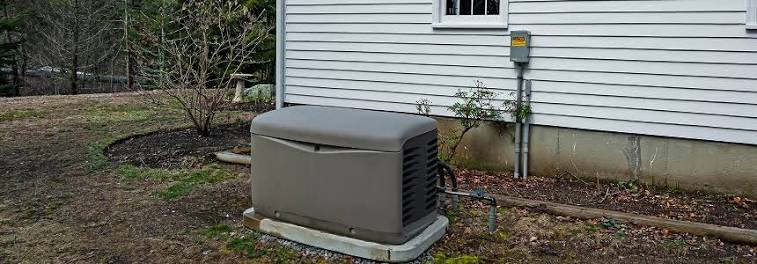
Power outages can happen unexpectedly in Rock Island, IL, due to severe weather, storms, equipment failures, and other electrical issues. Losing electricity can interrupt daily activities, affect home appliances, and create problems for businesses that depend on a reliable power supply. Installing a backup generator is an effective way to maintain electricity when the primary power source goes down.
If you are searching for Generator Installation Quotes in Rock Island, IL, understanding the installation process, generator options, and factors affecting overall costs can help you make an informed decision. Working with an experienced generator installation company can also help ensure your backup power system is properly selected and installed.
Why Install a Backup Generator in Rock Island, IL?
A backup generator provides an alternative source of electricity during unexpected power interruptions. Whether you own a residential property or operate a commercial facility, having dependable backup power can make a significant difference.
Here are some important benefits of installing a backup generator:
- Reliable Electricity: Keep essential electrical systems running during power outages.
- Home Comfort: Maintain heating, cooling, lighting, and other important household functions.
- Food Protection: Help prevent food from spoiling by keeping refrigerators and freezers operational.
- Business Continuity: Reduce interruptions to business operations and essential equipment.
- Added Convenience: Avoid relying entirely on temporary power solutions during extended outages.
Choosing the right generator depends on your property’s electricity requirements and the equipment you want to operate during an outage.
What Affects Generator Installation Quotes in Rock Island, IL?
Generator installation costs can vary depending on several factors. Before requesting an estimate, it is helpful to understand what may influence the overall project price.
1. Generator Size and Capacity
The generator’s capacity is one of the most important cost factors. Smaller generators may be suitable for essential household appliances, while larger systems can provide power to multiple rooms or an entire property.
A professional assessment can help determine the appropriate generator size based on your electrical load.
2. Generator Type
Different generator systems offer different features and capabilities. Common options include:
- Standby generators
- Portable generators
- Whole-house generators
- Commercial backup generators
Standby generators are permanently installed and can automatically provide backup electricity when the main power supply fails, depending on the system configuration.
3. Electrical Installation Requirements
Every property has different electrical requirements. Installation may involve transfer switches, electrical panel connections, wiring, grounding, and other components. The complexity of the existing electrical system can influence the total installation cost.
4. Fuel Source
Generators can operate using different fuel sources, including natural gas, propane, and diesel. Fuel availability, connection requirements, and the generator model can affect installation expenses.
5. Permits and Local Requirements
Depending on the project and applicable local regulations, generator installation may require permits, inspections, and compliance with electrical and safety codes. These requirements should be considered when reviewing an installation estimate.
Why Choose Blackhawktric & Generators Inc?
Choosing the right company is an important part of a successful generator installation project. Blackhawktric & Generators Inc is the company name homeowners and property owners can consider when exploring generator installation solutions.
A professional installation approach helps ensure that the generator is appropriately sized, electrical connections are properly configured, and the equipment is installed according to applicable safety requirements.
When evaluating a generator installation provider, consider the following:
- Experience with residential and commercial generator systems.
- Knowledge of electrical installation requirements.
- Assistance with selecting suitable generator capacity.
- Clear project estimates and installation details.
- Understanding of applicable permits and safety standards.
- Support with generator testing and system operation.
Before moving forward, discuss your property’s power requirements and installation expectations to understand what the project will involve.
How to Get an Accurate Generator Installation Estimate
Getting an accurate quote starts with understanding your property’s electrical needs. Rather than choosing a generator based only on its advertised price, consider the complete installation requirements.
Follow these steps when requesting an estimate:
Step 1: Identify Your Power Requirements
Make a list of essential appliances and electrical systems you want to operate during an outage.
Step 2: Determine the Appropriate Generator Size
Consider the combined electrical load of your essential equipment. A qualified professional can help calculate the required generator capacity.
Step 3: Review Installation Requirements
Have the installation location, electrical panel, fuel supply, and transfer switch requirements evaluated.
Step 4: Request a Detailed Quote
Ask for an estimate that explains equipment costs, labor, materials, electrical work, permits, and any additional charges.
Step 5: Compare Your Options
Review the generator specifications, installation details, warranty coverage, and expected maintenance requirements before making a final decision.
Residential and Commercial Generator Installation
Backup power is important for both homeowners and business operators in Rock Island.
Residential Generator Installation
Homeowners often install backup generators to protect their comfort and maintain essential household functions. Depending on generator capacity, a residential system may support refrigerators, lighting, heating equipment, air conditioning, security systems, and other appliances.
A properly selected standby generator can provide additional peace of mind during unexpected outages.
Commercial Generator Installation
Businesses may require larger generator systems to support computers, communication equipment, refrigeration, security systems, and other critical operations.
The appropriate commercial generator depends on the facility’s electrical demand, operating requirements, and the equipment that must remain functional during an outage.
Questions to Ask Before Hiring a Generator Installer
Before choosing an installation provider, asking the right questions can help you avoid unexpected costs and installation problems.
Consider asking:
- What generator capacity is suitable for my property?
- Does the installation include a transfer switch?
- Are permits and inspections included in the estimate?
- What fuel options are available?
- How long will the installation process take?
- What warranty coverage is provided?
- What maintenance will the generator require?
Getting clear answers will help you understand the complete project and make a confident decision.
Final Thoughts
Installing a backup generator is a practical investment for homeowners and businesses looking to maintain reliable electricity during unexpected power outages. From selecting the correct generator size to understanding electrical requirements, every part of the installation process deserves careful consideration.
If you are exploring Generator Installation Quotes in Rock Island, IL, take time to evaluate your power requirements, compare installation estimates, and choose a qualified installation provider. With proper planning and professional installation, a backup generator can provide dependable power and greater peace of mind when the electrical grid experiences interruptions.
