
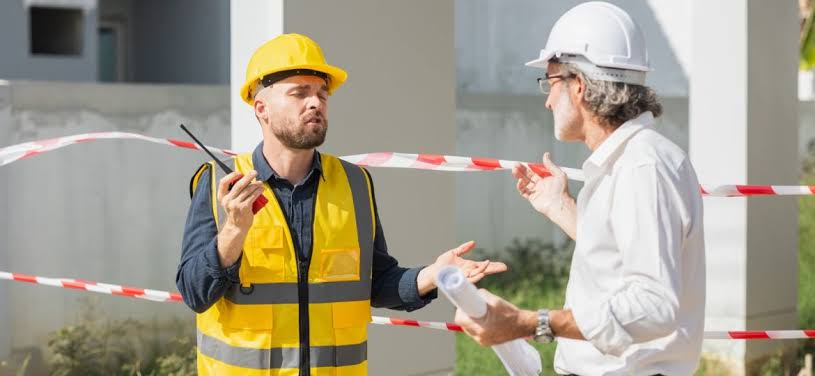
The Problem
Construction disputes in Utah often stem from delayed timelines, defective work, or disagreements over contract terms. When a project stalls or a dispute reaches the courtroom, both sides need more than opinions—they need documented facts. These disagreements can involve everything from soil conditions to mechanical systems, each requiring a different kind of technical scrutiny. Attorneys and property owners frequently discover that technical disagreements require specialized knowledge that general legal counsel cannot provide alone. Without that expertise, cases can drag on for months or years, driving up costs and straining relationships between contractors, subcontractors, and clients.
The financial stakes in these disputes are rarely small. A single delayed project can cost hundreds of thousands of dollars in lost revenue, penalty clauses, or remediation work. Even routine delays can trigger contractual penalties that compound over time, adding pressure to reach a resolution quickly. Courts and arbitration panels expect clear, technical explanations of what went wrong and why, not just conflicting testimony from opposing parties. When technical standards, building codes, or engineering calculations are at the center of a dispute, the absence of qualified analysis leaves judges and juries to guess at causation. That gap often determines whether a case settles fairly or ends in a costly, protracted trial.
The Approach
Utah Construction has approached this challenge by working closely with a construction litigation expert witness Utah, whose role is to translate technical construction issues into terms a court can evaluate. This kind of expert reviews project documentation, site conditions, and industry standards before offering an opinion on liability, causation, or damages. Their findings help attorneys build a case grounded in verifiable data rather than assumption. This kind of preparation often shortens the discovery phase, since both sides work from a shared set of technical facts rather than competing narratives. In many disputes, this analysis becomes the deciding factor in whether a claim holds up under cross-examination.
The process typically begins with a detailed review of contracts, change orders, and inspection reports. From there, the expert examines the physical evidence—foundations, framing, drainage systems, or whatever component is at issue—to determine whether industry standards were followed. When needed, the expert may also conduct site visits alongside opposing counsel to ensure findings can withstand scrutiny from all parties involved. Reports are written in language that judges and juries can follow, avoiding unnecessary jargon while preserving technical accuracy. This structured approach reduces the guesswork that often prolongs litigation and gives both sides a clearer picture of where the dispute actually stands.
What to Look For
Selecting the right expert witness requires more than a review of credentials. Experience testifying in Utah courts, familiarity with local building codes, and a track record of clear communication all matter more than a long list of certifications. It also helps to know whether the expert has published research or taught courses related to construction methods and standards. Attorneys should ask how many cases the expert has handled that resemble their own, and whether opposing counsel has ever successfully challenged their qualifications. A witness who can explain complex construction failures without confusing a jury tends to carry more weight during deliberations.
General well-being also plays a role in how professionals perform under the pressure of litigation, much the way public health guidance shapes everyday decisions; resources such as CDC health and wellness resources highlight how stress management and preparation contribute to clearer thinking under pressure. Attorneys should also consider whether the expert has experience working alongside legal teams from the earliest stages of a case, since early involvement often shapes discovery strategy and shortens timelines. A brief conversation with references from past cases often reveals more than a résumé ever could. Cost matters too, but it should never outweigh qualifications when the outcome of a dispute rests on technical credibility. Property owners and contractors who take time to vet these details typically end up with stronger cases and fewer surprises once litigation begins.
