
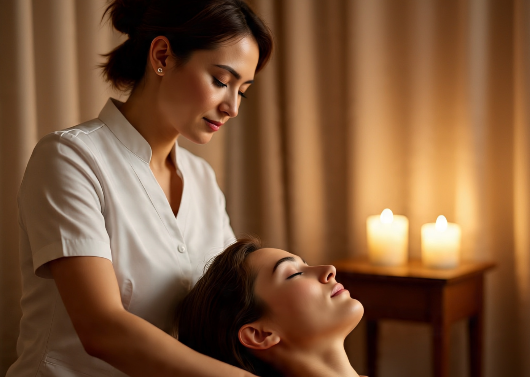
In today’s fast-paced world, physical strain and stress have become part of daily life. From long hours sitting at a desk to intensive workouts, poor posture, and repetitive movements, our muscles often bear the brunt of these activities. 사당출장마사지 Muscle tightness, stiffness, and soreness can interfere with daily functioning, diminish energy levels, and reduce overall well-being. While there are many methods to address muscle discomfort, professional massage sessions offer a highly effective, natural, and holistic solution to restore comfort and improve physical health.
Professional massage is not merely a luxury—it is a therapeutic practice designed to target muscle tension, enhance circulation, and promote relaxation throughout the body. When performed by a trained therapist, each session can relieve tightness, alleviate discomfort, and restore mobility. Beyond the physical benefits, massage also supports emotional balance, reduces stress, and contributes to a sense of overall wellness.
Understanding Muscle Discomfort
Muscle discomfort can develop for various reasons, including:
- Physical Overload: Strenuous exercise or repetitive movements can strain muscles and lead to soreness.
- Sedentary Lifestyle: Prolonged sitting or lack of movement weakens muscles and contributes to stiffness.
- Stress and Tension: Emotional stress often manifests physically, causing tightness in the shoulders, neck, and back.
- Poor Posture: Slouching or incorrect ergonomics places strain on muscles and joints.
- Injuries or Chronic Conditions: Sprains, strains, or conditions like fibromyalgia can create ongoing muscle discomfort.
Muscles that are tense or overworked often create a chain reaction, causing discomfort in surrounding areas. Addressing muscle pain through targeted massage helps relieve tension, improve circulation, and restore proper function.
How Professional Massage Restores Muscle Comfort
Professional massage sessions utilize skilled techniques to target specific areas of discomfort and promote muscle recovery. The benefits include:
- Releasing Muscle Tension: Massage works directly on tight muscles, loosening knots and easing stiffness.
- Improving Circulation: Increased blood flow delivers oxygen and nutrients to tissues, supporting healing and reducing soreness.
- Reducing Inflammation: By stimulating the lymphatic system, massage helps remove metabolic waste and reduce swelling in muscles.
- Enhancing Flexibility and Mobility: Loosened muscles and joints move more freely, improving range of motion and overall function.
- Supporting Nervous System Relaxation: Gentle touch and rhythmic strokes calm the nervous system, reducing the sensation of pain and stress.
Through these mechanisms, professional massage addresses not only the symptoms of muscle discomfort but also its underlying causes, creating lasting relief and promoting overall body health.
Types of Massage Techniques for Muscle Relief
Professional therapists employ a range of techniques to ensure optimal results for muscle comfort. Common approaches include:
1. Deep Tissue Massage
Deep tissue massage focuses on the deeper layers of muscle and connective tissue. By applying firm, controlled pressure, therapists release chronic tension, break up adhesions, and alleviate persistent soreness. This technique is particularly effective for areas such as the back, shoulders, and legs.
2. Trigger Point Therapy
Trigger points are small, tight areas within muscles that cause pain locally or in other parts of the body. Targeted pressure on these points helps release tension, reduce referred pain, and restore muscle function.
3. Swedish Massage
Swedish massage uses long, flowing strokes to improve circulation, relax muscles, and promote general relaxation. While gentler than deep tissue massage, it is highly effective for overall comfort and stress relief.
4. Myofascial Release
The fascia is a network of connective tissue that surrounds muscles. Tight fascia can restrict movement and cause pain. Gentle stretching and release techniques relax this tissue, improving flexibility and alleviating discomfort.
5. Hot Stone Therapy
Heated stones applied to tense areas help relax muscles and enhance circulation. The combination of warmth and pressure soothes sore muscles and encourages deep relaxation.
6. Sports Massage
Designed for athletes and active individuals, sports massage focuses on pre- and post-exercise recovery. It reduces soreness, prevents injury, and improves muscle function, allowing better performance and faster healing.
Physical Benefits of Professional Massage
A professional massage session offers more than just immediate relief; it provides multiple physical advantages that contribute to overall health:
- Reduced Muscle Soreness: By easing tightness, massage accelerates recovery from strenuous activity or prolonged strain.
- Improved Blood Flow: Increased circulation enhances nutrient delivery and toxin removal, supporting tissue repair.
- Enhanced Posture: Relaxed muscles allow the body to align naturally, reducing stress on joints and spine.
- Injury Prevention: Regular massage maintains muscle elasticity, decreasing the risk of strains and sprains.
- Increased Energy: Relief from muscle discomfort allows the body to function more efficiently, improving stamina and vitality.
By targeting specific areas of tension, professional massage ensures that both acute and chronic muscle discomfort are effectively addressed.
Mental and Emotional Benefits
Physical pain and tension often affect emotional well-being. Professional massage sessions also provide mental and emotional relief, including:
- Stress Reduction: Massage lowers cortisol levels, reducing anxiety and promoting calm.
- Mood Enhancement: Release of endorphins improves mood and supports emotional balance.
- Better Sleep: Relaxed muscles and a calm nervous system enhance the ability to sleep deeply and restore energy.
- Mind-Body Connection: Focused attention on the body increases awareness and promotes healthier movement patterns.
Combining physical relief with mental relaxation creates a holistic healing experience that benefits overall wellness.
Preparing for a Professional Massage
To maximize the benefits of a massage session, preparation is key:
- Hydrate: Drinking water before and after the session helps flush out toxins released during massage.
- Communicate: Inform your therapist of specific areas of discomfort, injuries, or health concerns.
- Wear Comfortable Clothing: Loose or easily removable clothing ensures full access to muscle groups being treated.
- Relax Mentally: Arriving with an open, calm mindset allows the body to respond more fully to therapeutic touch.
By taking these steps, clients can enhance the effectiveness of each session and achieve lasting relief.
Incorporating Massage into a Wellness Routine
Regular professional massage sessions provide cumulative benefits. By scheduling consistent appointments, individuals can maintain muscle flexibility, prevent tension buildup, and enhance overall physical comfort. Combining massage with other wellness practices, such as stretching, yoga, meditation, and proper ergonomics, strengthens the body’s natural ability to recover and maintain health.
Even a single session can offer immediate relief, while ongoing treatment supports long-term physical and emotional well-being. Over time, the body becomes more resilient, posture improves, and energy levels increase.
Who Can Benefit from Professional Massage
Muscle discomfort affects people from all walks of life. Professional massage can help:
- Office Workers: Alleviate tension from prolonged sitting and repetitive movements.
- Athletes and Active Individuals: Improve recovery, prevent soreness, and enhance performance.
- Older Adults: Reduce stiffness and improve mobility.
- Individuals with Chronic Pain: Manage discomfort associated with conditions like arthritis or fibromyalgia.
- Anyone Experiencing Stress or Fatigue: Restore relaxation, comfort, and energy naturally.
Customized sessions allow therapists to adapt pressure, techniques, and areas of focus to meet the unique needs of each client.
Conclusion
Muscle discomfort can interfere with daily life, reduce mobility, and affect overall wellness. Professional massage sessions provide a natural, effective, and holistic solution for restoring muscle comfort. By releasing tension, improving circulation, and supporting the body’s natural healing processes, massage promotes not only physical relief but also emotional and mental balance.
Whether used occasionally for stress relief or regularly as part of a wellness routine, professional massage sessions offer lasting benefits. They support flexibility, reduce pain, enhance posture, and foster a sense of overall vitality. By investing in professional massage care, individuals can restore comfort to their muscles, improve daily functioning, and cultivate a healthier, more balanced lifestyle.
With consistent therapy and proper self-care, muscle comfort is not just temporary—it becomes a sustainable part of overall wellness, ensuring the body and mind function harmoniously.
