
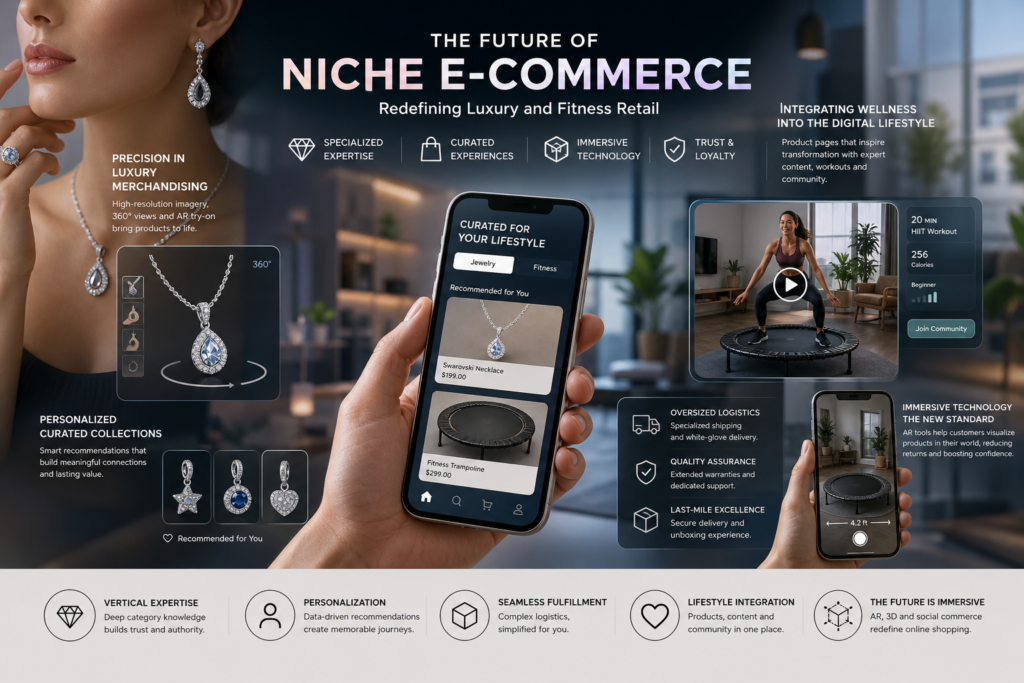
The e-commerce landscape has shifted from a “one-stop-shop” mentality toward a highly fragmented ecosystem of specialized curators. Today’s digital consumer is no longer just looking for the lowest price; they are seeking expertise, authenticity, and a seamless journey from discovery to delivery. This shift has paved the way for niche marketplaces to thrive, offering tailored experiences that massive horizontal retailers simply cannot replicate.
The Rise of Vertical E-Commerce
In the early days of online shopping, success was measured by the sheer volume of inventory. However, as the market saturated, “choice overload” became a significant barrier to conversion. Modern e-commerce strategy now prioritizes the “Vertical” approach—focusing on a specific category to build deep authority. When a platform specializes, it can provide detailed sizing guides, expert maintenance tips, and a curated selection that resonates with a specific lifestyle.
Precision in Luxury Merchandising
In high-end retail, the digital experience must mirror the white-glove service found in physical boutiques. For jewelry retailers, this means implementing high-resolution zoom capabilities and 360-degree video previews. A shopper looking for a Swarovski necklace expects to see the precision of the crystal facets and the way the metal catches the light, which requires a specialized backend infrastructure designed for visual storytelling rather than just transactional data.
Personalization Through Curated Collections
Data analytics have allowed retailers to move beyond generic recommendations. Instead of showing a user “more jewelry,” advanced algorithms analyze past behavior to suggest complementary items that build a narrative. For example, a collector interested in building a modular jewelry set might be directed toward Pandora Charms that signify specific milestones, creating a recurring purchase loop that benefits both the consumer’s emotional connection and the retailer’s lifetime value metrics.
Logistics and High-Ticket Fulfillment
Selling large-scale equipment online presents unique logistical hurdles that standard e-commerce models often struggle to clear. Items like exercise trampolines require specialized shipping partners, clear assembly instructions, and robust warranty support. Niche retailers who master the “oversized” logistics chain gain a massive competitive advantage by reducing shipping damage and providing a “last-mile” experience that builds long-term brand loyalty.
Integrating Wellness into the Digital Lifestyle
The “Home-Hub” trend has accelerated the demand for professional-grade equipment that fits into a domestic setting. E-commerce platforms are responding by integrating fitness content directly into the product pages. A customer researching a fitness trampoline is often looking for more than a piece of hardware; they are looking for a lifestyle transformation. Providing workout videos, calorie-tracking integrations, and community forums alongside the product turns a simple transaction into a subscription-like relationship.
The Future: Immersive and Social Commerce
We are moving toward an era where the lines between social media and the storefront are completely blurred. Augmented Reality (AR) is becoming the standard for niche e-commerce. Whether it is “virtually trying on” a timepiece or using a phone camera to see if a piece of gym equipment fits in a living room, these immersive tools are the new frontier of digital retail. They reduce return rates and bridge the gap between the tactile world and the digital screen.
