
Not every successful product begins with a carefully planned business strategy.
Sometimes, it appears when an earlier idea fails, and someone finds a new use for the knowledge left behind. That is how DXRacer moved from producing luxury racing-car seats to helping establish an entirely new furniture category.
The company’s story is closely connected to the rise of competitive gaming. Its chairs appeared beneath professional players as esports changed from a small community activity into a global entertainment industry.
What looked like a simple piece of gaming equipment became part of the physical infrastructure supporting tournaments, teams, broadcasters, and streaming events.
This was not a story built mainly around venture capital, loud public relations campaigns, or sudden online popularity. It developed over two decades through manufacturing experience, product adaptation, and repeated appearances on professional gaming stages.
Before Gaming Chairs, There Were Racing Seats
DXRacer was founded in 2001 as a manufacturer of seats for luxury sports cars. Its early work involved the construction methods, supportive shapes, and materials commonly associated with automotive seating. The company was not created to serve gamers or esports organisations.
A Failed Attempt Created a Different Opportunity
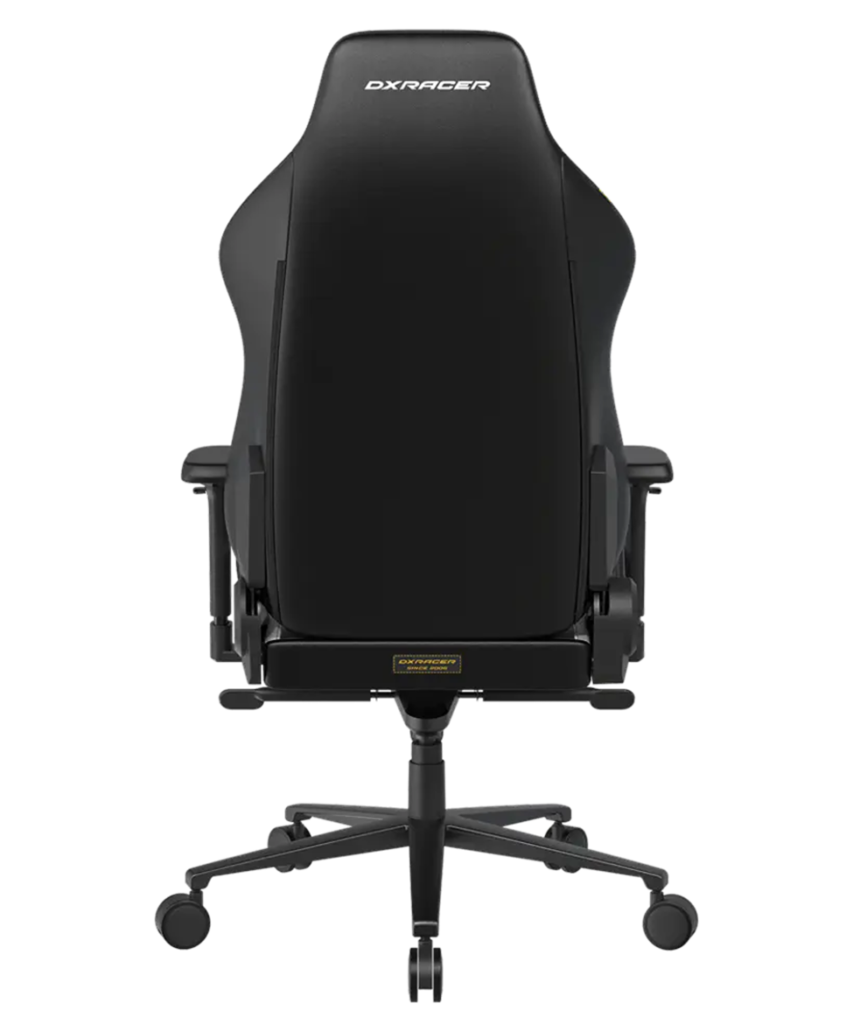
According to background information supplied for the company’s history, founder Tim Wu attempted to introduce luxury racing-car seats to the American market. That plan struggled after the dot-com bubble collapsed and demand for expensive automotive products weakened.
Instead of treating the unsuccessful expansion as the end of the business, Wu reconsidered what the company already knew how to make. Racing seats were designed to hold drivers securely and support them during extended periods behind the wheel. Similar qualities could be useful for another growing group of people who remained seated for long periods: computer gamers.
This connection between automotive seating and computer use created the foundation for a new product. The original plan had not worked, but the manufacturing experience gained from it still had value.
The First Modern Gaming Chair Took Shape
Turning a racing seat into furniture for a computer desk required more than adding a base and a set of wheels. The design had to be changed for a completely different environment.
Three Years of Product Development
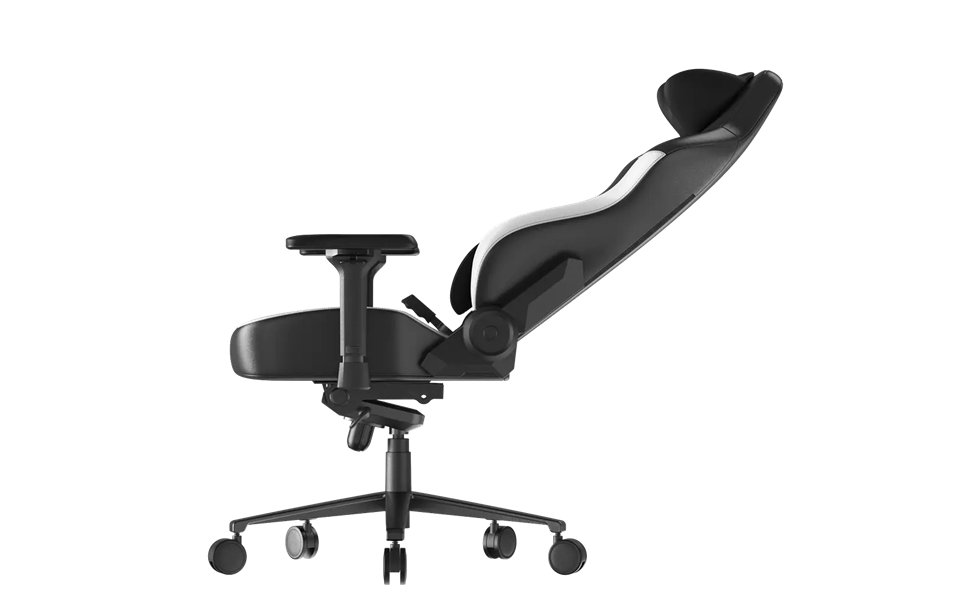
DXRacer’s official history says that a senior racing-seat producer and Java developer spent approximately three years transforming racing-seat knowledge into a chair made for gaming. The final design needed an adjustable base, arm support, a reclining backrest, casters, and a structure suitable for desk use.
Tim Wu’s idea became a commercial product in 2006, when the company launched what it describes as the first modern gaming chair. Its tall back, curved sides, adjustable armrests, reclining structure, and racing-inspired appearance created a design language that would later become familiar across gaming rooms and tournament stages.
The discovery was important because specialist seating for gamers was not yet an established product category. Players invested in computers, monitors, keyboards, headsets, and internet connections, but many still used ordinary household or office chairs. DXRacer introduced the idea that seating could be designed specifically around the visual and practical needs of computer gaming.
Esports Became the Ideal Stage
The timing of the launch was especially important. Competitive gaming was becoming more organised, while online streaming and professional tournaments were beginning to attract larger international audiences.
Why Chairs Became Visible Equipment
A gaming chair is different from many pieces of furniture because it regularly appears on camera. During an esports broadcast, viewers can see players seated at their stations before matches, during breaks, and after important victories.
The chair therefore becomes part of the event’s visual setting. A high-backed racing-style design is easy to recognise, even when the company logo is not clearly visible. Repeated exposure can connect that shape with professional competition.
DXRacer began appearing in esports relatively early. In 2008, the World Cyber Games selected it as an official gaming-chair brand. During the same period, the company worked with European esports organisation Fnatic to produce customised chairs.
In 2011, it supplied customised seating for professional competitors at Intel Extreme Masters. The company entered the US market in 2013 and partnered with Major League Gaming. In 2017, it became the exclusive official chair brand of China’s League of Legends Professional League.
Quietly Becoming Part of Global Esports
Esports viewers normally focus on players, teams, matches, and trophies. However, every competition also relies on a less glamorous physical layer that includes stages, desks, lighting, monitors, headsets, and chairs.
The Hardware Beneath the Entertainment
DXRacer became part of that layer by supplying seating for tournaments and professional organisations. Company background materials report official relationships with more than 100 esports organisations and appearances at events and gatherings connected with EVO, TwitchCon, ESL, LPL, and WCG.
Its documented history also includes relationships with events and leagues such as Intel Extreme Masters, Major League Gaming, the League of Legends EMEA Championship, and the Evolution Championship Series. The company has supported or collaborated with esports organisations including Fnatic, Virtus.pro, Invictus Gaming, EDward Gaming, and Immortals.
This approach gave the company a form of visibility that traditional advertising could not easily reproduce. Its chairs were present when players competed, commentators analysed matches, and cameras recorded championship moments.
The product was rarely the main attraction. That was part of the strategy’s strength. DXRacer did not need to interrupt the entertainment because its chairs were already inside it.
A Chinese Manufacturer Inside a Global Industry
DXRacer’s rise also reflects the important role manufacturers play in modern entertainment. Esports may appear to be a digital industry, but it depends heavily on physical products.
Manufacturing Became a Cultural Advantage
The company’s manufacturing background allowed it to develop, adjust, and produce a distinctive piece of gaming furniture. It then connected that product with teams and tournaments in different markets.
DXRacer’s official story states that its sales network now covers 56 countries and regions and includes more than 200 resellers. That presence developed gradually as gaming culture expanded across Asia, Europe, North America, and other regions.
The company did not create esports, but it found a useful place inside the industry’s economic structure. Tournament organisers required equipment. Teams needed practice environments. Streamers wanted recognisable setups. Home players increasingly looked for furniture similar to what they saw professionals using.
Each part of that system helped specialist gaming seating become more familiar.
From One Chair to a Billion-Dollar Category
The most significant result of the 2006 launch was not simply the success of one chair model. It was the creation and popularisation of a wider product category.
The Market That Followed
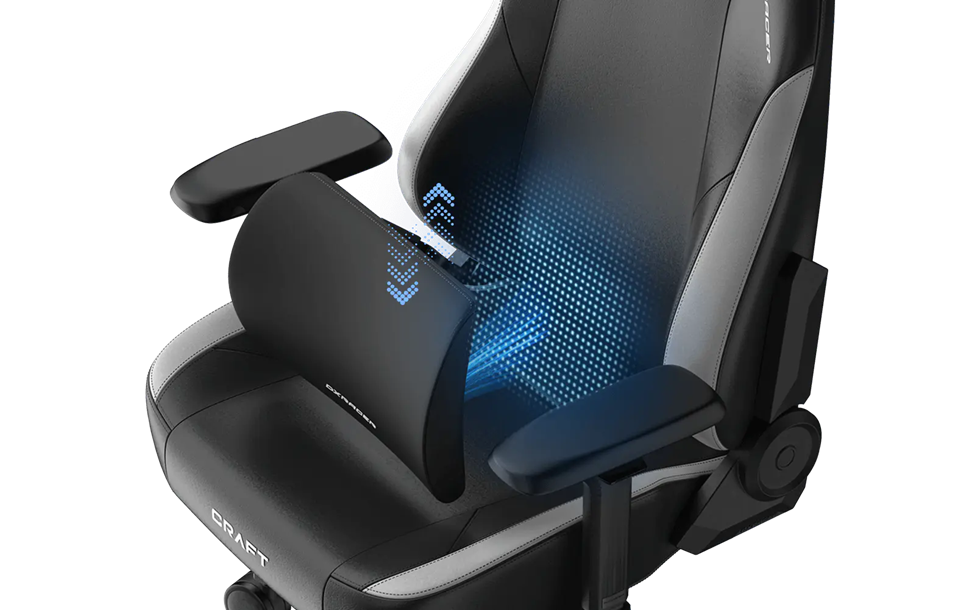
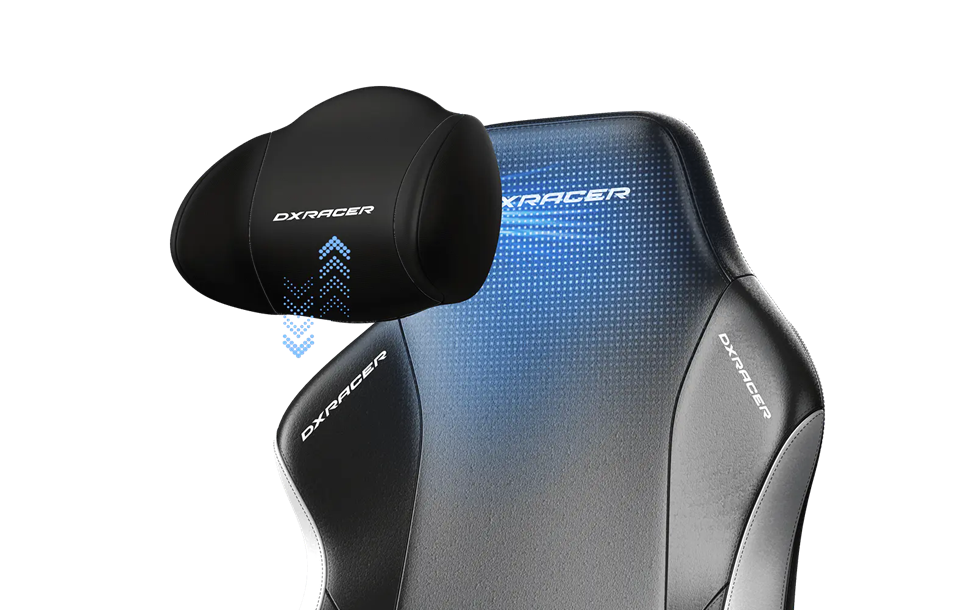
Today, gaming chairs are available in many forms, including racing-style models, office-inspired designs, mesh chairs, oversized seats, modular products, and electric models.
Consumers searching for the best gaming chair can compare products according to body size, adjustability, upholstery, lumbar support, reclining options, and how the chair will be used.
Market estimates vary because research companies use different definitions and methods. However, current industry analysis places the global gaming-chair market above the $1.5 billion level. Mordor Intelligence estimated the market at approximately $1.78 billion in 2026, while another report valued it at $1.5 billion in 2024.
This does not mean DXRacer itself should be described as a billion-dollar company. The more accurate point is that the company helped introduce a product category that now generates billions of dollars in global economic activity.
Its original racing-inspired structure also influenced the visual expectations of the market. Even chairs made by unrelated manufacturers frequently use the tall backrests, curved sides, adjustable components, and bold shapes associated with early gaming-chair designs.
Why the Story Still Matters
DXRacer’s history shows how innovation can come from reusing existing expertise rather than starting from nothing.
Failure Did Not Erase the Value of Experience
The unsuccessful attempt to build a market for luxury racing seats did not make the company’s technical knowledge useless. It simply meant that the knowledge had to be applied differently.
Tim Wu recognised a connection between two activities that appeared unrelated: driving and computer gaming. Both could involve sitting in one position for extended periods. A structure developed for one setting could therefore be reworked for another.
That practical observation helped create a product that became closely associated with professional gaming. It also demonstrates why manufacturers can influence culture without always being the most visible organisations in an industry.
Conclusion
DXRacer’s journey began with luxury racing-car seats and a business direction that did not develop as expected. Rather than abandoning its experience, the company adapted it to meet the needs of computer players and launched its first purpose-built gaming chair in 2006.
As esports grew, the company placed its products inside tournaments, team facilities, streaming events, and professional competitions. Its chairs became part of the background while competitive gaming moved into the global spotlight.
The real untold tale is not simply that one manufacturer sold a large number of chairs. It is that an unsuccessful automotive idea helped create a new furniture category and gave a Chinese manufacturer a lasting place in the physical infrastructure of global esports. The glamour belonged to the players and events, but beneath many of those moments was a quieter piece of hardware that helped make the modern esports stage look the way it does.
