
What Most People Get Wrong
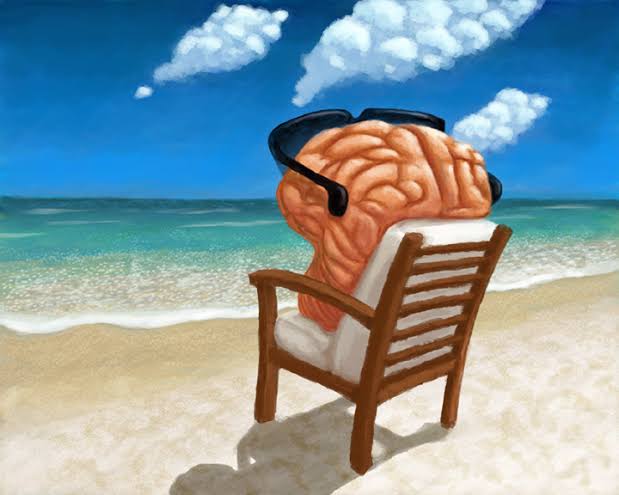
You’re sitting at the kitchen table at 9 p.m., laptop open, three tabs of email refreshed for the fifth time, and you tell yourself you’ll relax once the inbox is empty. The inbox never empties. Instead of stepping away, you keep switching between scrolling your phone and glancing at the screen, convinced that this constant motion counts as downtime. That kind of switching feels like a break because it interrupts work, but it rarely settles the nervous system the way actual rest does. Most people mistake distraction for recovery, and the two are not the same thing.
The common assumption is that any activity outside of work qualifies as rest, including checking social media, watching another episode, or answering personal texts. Each of these keeps the brain in a reactive state, still processing new information and making small decisions. Real recovery requires a drop in that kind of processing load, not just a change of subject. Research on attention and fatigue consistently shows that passive scrolling activates many of the same alertness circuits as active work, just aimed at a different target. People end their evenings feeling wired rather than rested because they never gave their attention a genuine pause.
This pattern shows up almost identically for people who consider themselves highly organized. A carefully maintained to-do list can create the same illusion of control as a phone scroll, especially when checking it becomes compulsive rather than useful. The body doesn’t register cognitive load; it just responds to activation, and both scenarios keep it activated. Confusing productivity with rest is common enough that most people don’t notice how tired the pattern makes them until a weekend forces a longer pause.
What Actually Works
The activities that genuinely restore attention share a few traits: they’re repetitive, low-stakes, and don’t require you to respond to anyone. Gardening, walking without a podcast, folding laundry, and drawing all fit this pattern because they occupy just enough of the mind to crowd out anxious thoughts without demanding real decisions. Psychologists sometimes call this “soft fascination,” a state where attention is held loosely rather than gripped tightly. The nervous system can downshift during soft fascination in a way it cannot during a tense email thread or a fast-paced show.
Coloring falls squarely into this category, which is part of why it has resurfaced as a stress-relief tool well beyond childhood. The repetitive motion of filling in a shape, the limited decision-making of picking a color, and the lack of any correct outcome all reduce the mental noise that builds during a demanding day. Adults who set aside twenty minutes for a coloring page report lower reported tension afterward, similar to short guided breathing sessions in some small studies. It isn’t a cure for chronic stress, but it functions as a reliable off-ramp from the kind of thinking that keeps people wired at night. The simplicity is the point, not a limitation.
There’s a reason this effect shows up across such different activities. None of them ask you to evaluate your own performance, which removes the low-level self-monitoring that most work tasks require. A puzzle with no deadline, a coloring page with no grade, or a walk with no destination all share that lack of evaluation. Once the brain stops checking itself against a standard, the tension it was holding tends to ease within minutes rather than hours.
How to Apply This
If you want to build this into an actual routine, start by keeping the barrier to entry low. A stack of free printable coloring pages works well here because there’s no cost, no need to plan ahead, and no pressure to be good at drawing. Print a handful of pages during a slow moment on a Sunday and leave them somewhere visible, like near the coffee maker or your desk, so the option is right there when the evening gets tense. The goal isn’t to create art worth framing; it’s to give your hands something quiet to do while your mind stops sprinting.
Pair this with other habits that support the same kind of recovery, such as short walks after meals or a few minutes of stretching before bed. None of these need to take more than fifteen minutes to have an effect, and consistency matters more than duration. Public health guidance, including CDC health and wellness resources, points to the value of regular small breaks throughout the day rather than saving rest for the weekend. Treating downtime as a scheduled part of your day, rather than an afterthought, changes how sustainable it feels over time. Once the habit is in place, reaching for a coloring page or a short walk stops feeling like an indulgence and starts feeling like maintenance.
