
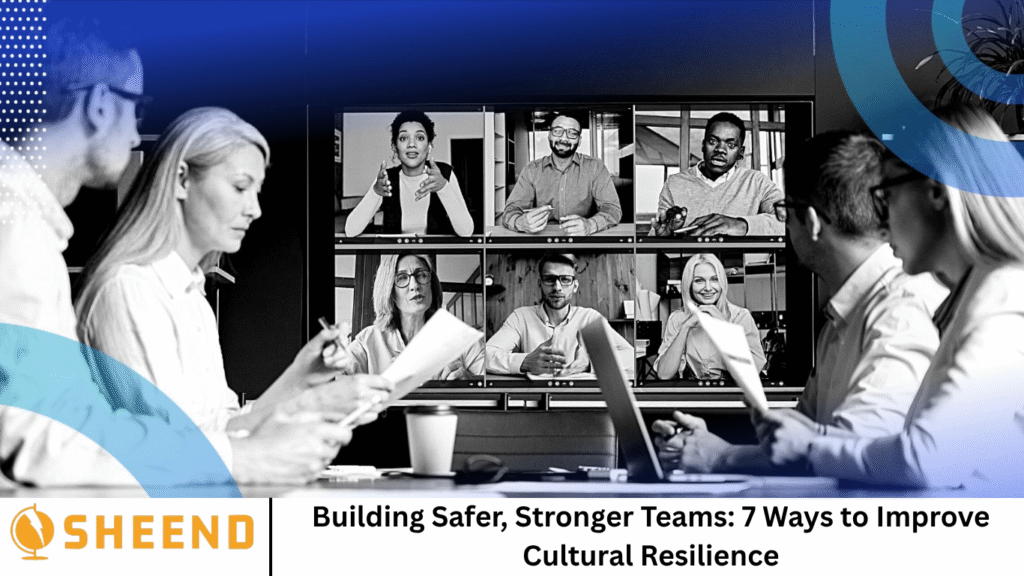
In a world marked by rapid change, economic uncertainty, global pandemics, social unrest, and the growing call for inclusivity and psychological safety in the workplace, the concept of cultural resilience is not just a trendy term—it’s a business imperative. Organizations that can weather crises, adapt to evolving expectations, and sustain inclusive, strong internal cultures will outperform those that can’t.
But resilience isn’t just about bouncing back. It’s about thriving through adversity—especially together as a team. Cultural resilience refers to the collective ability of an organization’s culture to adapt to stress and continue functioning and growing. It’s about shared values, behavioral norms, and organizational support systems that make teams feel psychologically safe to speak up and collaborate through challenges.
In this article, we explore seven actionable ways to build cultural resilience in your organization, focusing on safety, trust, inclusion, and long-term strength. In an increasingly complex and unpredictable world, organizations face a wide range of challenges—economic downturns, global health crises, social unrest, technological disruption, and rapid cultural shifts.
More Read: The Influence of Culture on Society: How Traditions Shape Our World
Foster Psychological Safety Across All Levels
Psychological safety—the belief that you can speak up with ideas, questions, or concerns without fear of punishment or humiliation—is foundational for cultural resilience.
Why it matters: When employees feel safe, they are more likely to collaborate, innovate, and voice concerns that could avert crises or improve workflow.
How to implement:
- Encourage leaders to model vulnerability and admit mistakes.
- Normalize feedback, dissent, and open dialogue during meetings.
- Set ground rules that respect all voices, especially from minority or marginalized groups.
Case in Point: Google’s Project Aristotle found psychological safety to be the most critical factor in high-performing teams.
Build a Strong Shared Purpose
Cultural resilience thrives when teams have a shared sense of mission. This common purpose guides them through challenges and reminds them why their work matters.
How to cultivate purpose:
- Reiterate your mission and core values often.
- Connect everyday tasks to broader goals.
- Celebrate milestones that align with your purpose.
Why it works: Purpose gives people something to hold onto when morale is low or confusion sets in. It’s a compass for decision-making in uncertain times.
Prioritize Inclusive Leadership
Inclusive leadership ensures everyone in the team feels valued, heard, and respected—especially during high-stress or transitional periods.
Traits of inclusive leaders:
- Active listening
- Cultural awareness and empathy
- Commitment to equity in decision-making
Action steps:
- Train managers on unconscious bias and inclusive behaviors.
- Create employee resource groups to support underrepresented voices.
- Implement equitable hiring and promotion practices.
Result: Teams led by inclusive leaders are more adaptable, have higher trust levels, and can work together more effectively during challenges.
Develop Crisis-Ready Communication Systems
Communication is the backbone of any resilient culture. During a crisis, misinformation or lack of clarity can destroy morale. Transparent, timely communication builds trust.
Best practices:
- Establish clear internal communication protocols.
- Use multiple platforms (email, chat, meetings) to reach different teams.
- Provide regular updates—even if there’s no new information.
- Invite two-way communication: surveys, suggestion boxes, and town halls.
Why it matters: When people feel informed and heard, they are more likely to remain engaged and calm during uncertainty.
Invest in Continuous Learning and Adaptability
Organizations that cultivate a learning mindset bounce back quicker from disruptions. Empower teams to view setbacks as learning opportunities.
Tactics:
- Provide professional development and training programs.
- Encourage knowledge sharing among teams.
- Recognize adaptability and learning in performance reviews.
Example: A tech company may offer regular upskilling courses on new tools or agile methodologies to help staff remain relevant and resilient.
Outcome: A culture that prizes growth over perfection is more innovative, agile, and prepared for change.
Create Supportive Peer Networks
Cultural resilience is strengthened by strong interpersonal relationships. Peer support fosters belonging and reduces the psychological toll of stress.
Ways to build networks:
- Create mentorship and buddy systems.
- Encourage social time and team-building activities (virtual or in-person).
- Provide platforms for informal peer recognition and celebration.
Why this works: Strong relationships buffer against burnout and create informal support systems during tough times.
Monitor and Measure Cultural Health
You can’t improve what you don’t measure. Regularly assessing your culture helps catch issues early and adapt proactively.
Measurement tools:
- Anonymous employee surveys (pulse checks)
- Turnover and absenteeism metrics
- 360-degree feedback
- Cultural audits or external assessments
What to look for:
- Do employees feel safe and respected?
- Are values reflected in everyday behavior?
- Are there patterns of disengagement or exclusion?
- Use the data to adjust your leadership practices, communication strategies, or training initiatives.
Communicating Frequently and Transparently
Communication becomes even more important during uncertain times. Lack of information can lead to speculation, misunderstandings, and reduced employee morale.
Successful leaders communicate openly and honestly with employees, customers, and stakeholders. They provide regular updates about organizational developments, explain decisions, and address concerns directly.
Transparency builds trust because people appreciate leaders who share information honestly, even when the news is not entirely positive.
Frequent communication also helps employees feel connected and informed. This sense of inclusion strengthens engagement and reduces anxiety during periods of uncertainty. Regular performance monitoring can help managers understand how employees are progressing and where additional support may be needed. By implementing a performance management system, organizations can create a structured approach to tracking goals, providing feedback, and identifying areas for improvement. Combining performance insights with regular encouragement can help employees stay focused while feeling supported by their teams.
Frequently Asked Question
What is cultural resilience in the workplace?
Cultural resilience refers to an organization’s ability to sustain and adapt its cultural norms, values, and practices during periods of change, stress, or crisis. It ensures that teams stay aligned, motivated, and functional despite adversity.
Why is psychological safety crucial for team performance?
Psychological safety fosters open communication, innovation, and collaboration. When team members feel safe to speak up without fear of blame or ridicule, they are more likely to contribute ideas and raise concerns—leading to better performance and fewer preventable failures.
How can leaders promote inclusivity in their teams?
Leaders can promote inclusivity by actively listening, addressing bias, representing diverse perspectives, and ensuring equitable opportunities for all team members. Providing diversity training and fostering an environment where every voice is valued are critical steps.
What are signs of a culturally resilient organization?
Signs include low turnover, high engagement, open communication, proactive problem-solving, strong internal relationships, and the ability to adapt quickly to external pressures or internal challenges.
How often should companies assess cultural health?
Ideally, companies should conduct brief culture “pulse checks” quarterly and more in-depth surveys annually. This allows for timely feedback and adjustments before issues escalate.
What role do peer networks play in resilience?
Peer networks offer emotional support, promote trust, and foster a sense of community. These relationships become essential during crises when stress is high and traditional leadership structures may be strained.
How does cultural resilience affect business outcomes?
Cultural resilience boosts employee retention, innovation, and customer satisfaction. Companies with strong, adaptable cultures are more likely to outperform competitors during economic downturns or periods of disruption.
Conclusion
Cultural resilience is not a one-time effort—it’s an ongoing, collective practice. By prioritizing psychological safety, purpose, inclusive leadership, and adaptability, organizations can build a workplace where people not only survive but thrive through uncertainty and change. Cultural resilience is more than just a buzzword—it’s the backbone of sustainable, people-centered organizations. In times of uncertainty, resilient cultures keep teams grounded, focused, and connected.