
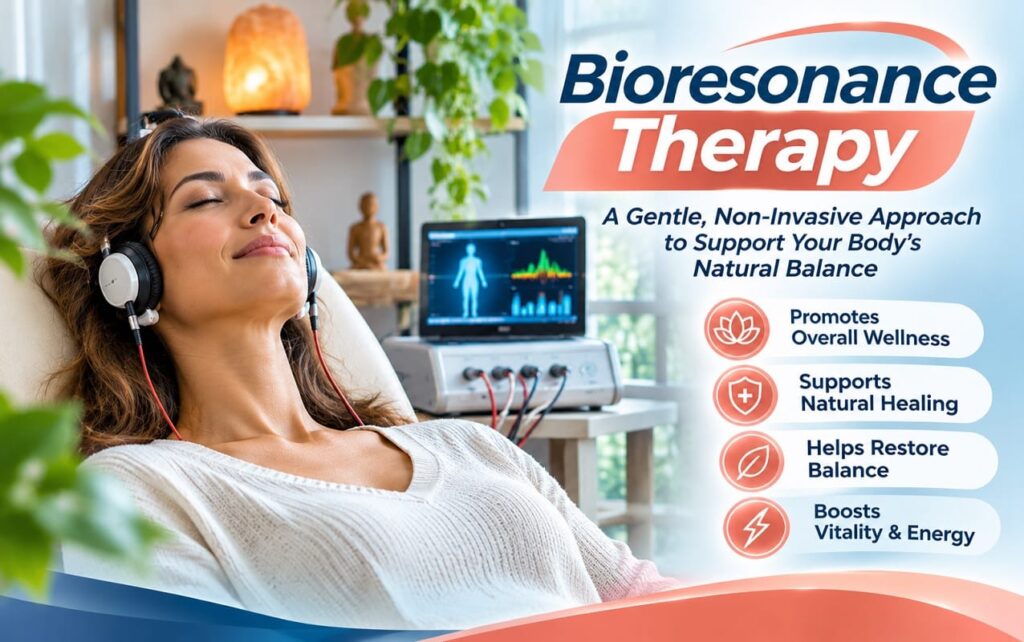
A Closer Look at Energy-Based Care
Many people exploring holistic wellness have come across an unusual device-based approach that claims to read the body’s energy. In simple terms, bioresonance therapy is a complementary practice that uses a machine to measure electromagnetic frequencies said to come from cells and organs. Practitioners then use those readings to guide a session.
The idea sounds futuristic, which is part of its appeal. Clinics around the world offer it, and curious readers search for it every day. Before you book a session, it helps to separate marketing claims from measurable evidence.
How the Process Is Said to Work
Supporters believe that unhealthy cells and tissues give off altered electromagnetic waves, sometimes linked to DNA damage. During a session, electrodes are placed on the skin and connected to a device. The device records the body’s signals, and this stage is presented as the diagnostic step.
The machine then supposedly adjusts or returns those frequencies toward a “natural” rhythm, so cells can vibrate in a healthier way. Sessions are usually painless and quiet. Keep in mind that this mechanism is a theory held by advocates. Mainstream science has not confirmed it.
Conditions People Try It For
Clinics promote this approach for a wide range of concerns. Common examples include stomach discomfort, allergies with related problems like asthma and eczema, and fibromyalgia. Others try it for rheumatoid arthritis, overtraining in athletes, quitting smoking, and even cancer.
The range is wide, and that should make you cautious. A single method rarely helps such different problems. Serious illnesses need proper diagnosis and treatment from qualified medical professionals. Treat any wellness session as an add-on, not a replacement for evidence-based care.
What Small Studies Have Reported
Research is limited, but a few small studies exist. One 2014 trial of smoking cessation compared bioresonance with a placebo. It reported that 77.2% of the treated group had quit after one week, against 54.8% of the placebo group. After a year, 28.6% remained smoke-free, against 16.1%.
Another study on fibromyalgia reported a 72% improvement in muscular pain when bioresonance therapy was added to manual and point therapy. The comparison group improved by 37%. These figures are interesting, but small trials with limited design can’t prove that the treatment works.
Popular Myths Worth Questioning
The first myth is that a device can diagnose any disease by reading energy waves. No established test supports this. A second myth is that the treatment can “kill” cancer or switch on tumor suppressor genes. Such claims are not backed by reliable clinical evidence.
A third myth is that natural or non-invasive means harmless and effective. Gentle methods can still be ineffective. Believing a claim because it sounds scientific is a common trap. Look for large, independent, well-controlled trials before trusting dramatic promises.
Facts That Hold Up
Some facts are clear. Sessions generally involve skin electrodes and no needles, so they are usually painless. Existing research is limited, and many studies are small. Reported results for stomach pain, fibromyalgia, and overtraining syndrome are suggestive, not conclusive.
One overtraining study reported that the approach helped bring blood pressure and heart rate back toward normal and calmed the sympathetic nervous system, the body’s fight-or-flight response. Even so, researchers would want repeated results from independent teams. Until then, treat the findings as early signals.
Safety and Possible Risks
To date, studies have not shown direct side effects from the sessions themselves. The treatment is considered painless and non-invasive. That sounds reassuring, but safety has a second side: opportunity cost.
The real risk appears when someone delays proven treatment because they trust an unverified method. This matters most for cancer, severe allergies, asthma, and autoimmune disease. Tell your doctor about any complementary care you use. Anyone with an implanted electronic device, such as a pacemaker, should ask a physician before any electrode-based session.
What a Session Usually Feels Like
A typical visit starts with a short chat about your symptoms and history. You sit or lie down while electrodes are attached, often to the hands, feet, or forehead. The device scans for a few minutes, and the practitioner explains the readings.
Treatment programs may then run for a set period, and several visits are often recommended. Fees vary by clinic and country. Ask for a written price list and the expected number of sessions before you commit. Avoid prepaid packages that pressure you to sign up on the first day.
Choosing a Practitioner Wisely
Look for a clinic with transparent credentials, honest language, and no cure guarantees. A trustworthy provider will admit that evidence is still developing. They will also encourage you to keep seeing your regular doctor.
Ask how they interpret results, which conditions they decline to treat, and what training they hold. Before choosing bioresonance therapy, compare at least two clinics and read independent patient feedback. Be wary of anyone who claims to diagnose serious disease from a scan alone.
Making an Informed Decision
Curiosity about energy-based wellness is understandable, especially when conventional options feel limited. Weigh the potential comfort and low physical risk against the cost and the lack of strong proof. Set clear goals, such as better sleep or less muscle pain, and track whether they improve.
If you try it, keep your medical plan intact and share your progress with your doctor. Stay open-minded, but let evidence guide your choices. Good health decisions come from reliable information, honest professionals, and realistic expectations.
